Unlock the full potential of your Roblox games by mastering LoadAnimation, a critical function for bringing characters and models to life. This comprehensive guide delves into how LoadAnimation works, why it's essential for creating immersive experiences, and provides practical, actionable advice to help both new and experienced Roblox developers. Learn to troubleshoot common issues, optimize performance, and implement advanced animation techniques efficiently. For busy gamers who also create, understanding LoadAnimation means better games without endless debugging. We cover everything from basic implementation to complex animation management, ensuring your creations stand out. Discover how this tool empowers creators to craft engaging narratives and dynamic gameplay, aligning with current trends where social and immersive experiences dominate the Roblox platform. Whether you're aiming for realistic character movements or fantastical creature antics, LoadAnimation is your gateway to animated success in Roblox Studio.
Related games- Guide How Roblox Games Thrive in 2026
- Guide to Adjust Roblox Resolution for Max FPS & Visuals 2026
- Guide How To Fix Red Eyes Roblox Issues 2026
- Guide: Will Cloud Gaming Replace Consoles by 2026?
- Guide: How to Redeem Roblox Codes in 2026 Quickly!
How do I play a custom animation on a Roblox character using LoadAnimation?
To play a custom animation, first create and upload your animation in Roblox Studio to get an asset ID (e.g., rbxassetid://123456789). Then, in a script, get the character's Humanoid and its child Animator. Create an 'Animation' instance, set its 'AnimationId' to your asset ID, and then call 'animator:LoadAnimation(animation)'. Finally, call ':Play()' on the returned 'AnimationTrack' to start it. Remember to handle character loading properly with 'WaitForChild'.
Why is my LoadAnimation script not working, even with the correct ID?
There are several reasons your 'LoadAnimation' script might not work, even with a correct ID. Common culprits include: the animation priority being too low and getting overridden by another animation; the animation not being designed for the character's rig type (R6 vs. R15); the character or its Humanoid/Animator not being fully loaded when the script runs (use 'WaitForChild'); or the animation track simply not being played or being stopped immediately. Always check the output window for errors and use print statements for debugging.
What's the best way to smoothly transition between animations with LoadAnimation?
The best way to smoothly transition between animations with 'LoadAnimation' involves managing animation priorities and using blending. Ensure your animations have appropriate priorities (e.g., 'Core' for movement, 'Action' for specific actions). When playing a new animation, the 'Animator' automatically handles some blending. You can also use 'AnimationTrack:Stop()' on the previous animation and immediately play the new one. For more control, explore 'AnimationTrack:SetWeight()' and 'AnimationTrack:AdjustWeight()' to blend multiple animation tracks simultaneously, though this requires careful scripting.
How can I replicate LoadAnimation playback across the server and clients?
For animations to replicate correctly, you typically handle 'LoadAnimation' on the client-side via a LocalScript for the player's own character. For other players' characters, animations will automatically replicate if they are played on the server or if a LocalScript on each client handles playing the animations for characters within their view. If you trigger an animation from a server script, ensure the 'Animation' object itself exists on the server or is created on the server before 'LoadAnimation' is called on the 'Animator' of the character on the server. RemoteEvents are often used to signal clients to play specific animations.
Can LoadAnimation be used in a StarterPlayerScripts LocalScript?
Yes, 'LoadAnimation' can and often should be used in a LocalScript within 'StarterPlayerScripts'. This ensures that the animation logic runs locally for each player, reducing server strain and providing immediate visual feedback. For instance, player-controlled movements, emotes, or UI-triggered animations are perfect candidates for LocalScripts using 'LoadAnimation'. Just remember to properly reference the local player's character and its components using 'game.Players.LocalPlayer.Character' and 'WaitForChild()'.
What are the performance considerations when using many LoadAnimation calls in a game?
While 'LoadAnimation' itself is efficient, making numerous calls, especially for the same animation, can consume unnecessary resources. Performance considerations include: memory usage from multiple 'AnimationTrack' objects; potential lag if animations are constantly loaded and unloaded without proper management; and increased network traffic if server-sided animation triggers are excessive. Optimize by loading animations once and reusing their 'AnimationTrack' objects, stopping animations when not in use, and implementing an animation manager to centralize control and resource efficiency, particularly important for mobile devices.
How do I fix 'Animation is not a valid member of Humanoid' when using LoadAnimation?
This error, 'Animation is not a valid member of Humanoid', indicates you're trying to call 'LoadAnimation' directly on the 'Humanoid' object, or that the 'Animation' object isn't being correctly passed. The correct method is to call 'LoadAnimation' on the 'Animator' object, which is a child of the Humanoid. For example, 'humanoid:WaitForChild("Animator"):LoadAnimation(animation)' is the correct syntax. Ensure you are targeting the 'Animator' and that the 'animation' variable holds an actual 'Animation' instance with a valid 'AnimationId'.
Ever felt your Roblox game characters were a little... stiff? You've poured hours into building fantastic worlds and engaging mechanics, but if your characters move like mannequins, the immersion quickly breaks. For US gamers, who often balance their passion for gaming with demanding jobs and family life, every moment in a game counts. They seek relaxation, fun, and engaging experiences, not clunky animations. This month's trends continue to highlight social and dynamic gameplay, and static characters simply don't cut it. That's where LoadAnimation Roblox comes in.
Understanding and correctly implementing LoadAnimation Roblox is a game-changer for any developer aiming to create truly captivating experiences. It's the core function that breathes life into your characters, enabling everything from walk cycles and custom emotes to powerful combat moves. Did you know 87% of US gamers play regularly, often averaging over 10 hours a week? They appreciate polished games that feel good to play, and smooth animations are a huge part of that. We're here to guide you through the ins and outs of LoadAnimation Roblox, helping you avoid common frustrations and optimize your creations. No more guessing games; let's make your Roblox characters move like pros, even if you only have limited time for development.
What exactly is LoadAnimation in Roblox and why is it crucial for game developers?
LoadAnimation Roblox is a fundamental function in Roblox Studio used to prepare and play pre-made animations on a character or model. Specifically, it takes an AnimationId (an asset ID from an animation uploaded to Roblox) and returns an AnimationTrack object. This track can then be controlled (played, paused, stopped) via scripting. It's crucial because without it, your characters would remain static, unable to perform actions like walking, jumping, dancing, or expressing emotions. In the modern Roblox ecosystem, where player engagement is paramount, dynamic character movement is non-negotiable for creating immersive and believable experiences. It directly impacts how players connect with your game world and its inhabitants, making gameplay significantly more enjoyable and professional.
How do you correctly implement LoadAnimation in a Roblox script for a character?
Implementing LoadAnimation Roblox involves a few key steps. First, ensure you have an Animation object inside your script or a child of the script, with its AnimationId property set to your uploaded animation's asset ID. Next, you typically target a character's Humanoid or Animator. The recommended approach for modern Roblox games is to use the Animator object, which is usually found as a child of the Humanoid. Here's a basic example:
local character = game.Players.LocalPlayer.Character or game.Players.LocalPlayer.CharacterAdded:Wait()
local humanoid = character:WaitForChild("Humanoid")
local animator = humanoid:WaitForChild("Animator")
local animation = Instance.new("Animation")
animation.AnimationId = "rbxassetid://YOUR_ANIMATION_ID" -- Replace with your actual ID
local animationTrack = animator:LoadAnimation(animation)
animationTrack:Play()
This script obtains the player's character, finds its Humanoid and Animator, creates an Animation object, sets its ID, then loads and plays it. Remember, LoadAnimation Roblox should be called on the Animator for optimal behavior and compatibility with Roblox's animation system.
What are the common pitfalls when using LoadAnimation and how can you avoid them?
Many developers encounter issues with LoadAnimation Roblox. One common pitfall is using incorrect Animation IDs; always double-check that the ID is correct and that the animation is owned by you or is publicly accessible. Another frequent problem is attempting to load animations on a character that hasn't fully loaded, leading to errors like 'Humanoid is not a valid member'. Use WaitForChild() as shown above to mitigate this. Also, ensure your animation priority is set correctly in the Animation Editor; lower priority animations might be overridden by higher priority ones (e.g., a walk animation might override a dance if both are 'Core' priority). Finally, make sure the animation is actually designed for the rig type (R6 or R15) of your character. Mismatches can cause animations to play incorrectly or not at all, frustrating gamers seeking seamless experiences.
How does LoadAnimation affect game performance and what are optimization tips?
While LoadAnimation Roblox itself is quite efficient, managing many animations simultaneously or loading them inefficiently can impact game performance. Every loaded animation track consumes some memory and processing power. To optimize, avoid loading the same animation multiple times; instead, load it once and store the AnimationTrack in a variable for reuse. Only play animations when necessary, and stop them when they're no longer needed using :Stop(). For animations that are only used in specific areas of the game, consider loading them dynamically when a player enters that area and unloading them (setting the AnimationTrack to nil so it can be garbage collected) when they leave. This approach, similar to asset streaming, can significantly reduce the memory footprint, especially crucial for mobile players who constitute a large segment of the US gaming population and often have limited device resources.
Can LoadAnimation be used for player-created animations or custom models?
Absolutely! LoadAnimation Roblox is designed to work with any valid AnimationId. This means if you've created your own animation in Roblox Studio's Animation Editor and uploaded it, you can use its asset ID with LoadAnimation Roblox. This applies not only to default Roblox character rigs (R6, R15) but also to custom models, provided those models have a Humanoid and an Animator, and are properly rigged to match the animation. For custom models, you'll need to ensure the bone structure and naming conventions align with the animation you're trying to play. This flexibility empowers creators to truly personalize their games, a key draw for many gamers who enjoy unique experiences beyond standard assets, fostering creativity and skill-building within the Roblox community.
What's the difference between Animator:LoadAnimation and Humanoid:LoadAnimation?
Historically, developers used Humanoid:LoadAnimation() to play animations. However, Roblox deprecated this method and introduced Animator:LoadAnimation(). The key difference is that the Animator object is a dedicated instance for managing all animations on a Humanoid. Using Animator:LoadAnimation() ensures better performance, more reliable animation playback, and better compatibility with Roblox's internal animation system, especially when dealing with complex animation blending and priorities. It centralizes animation control, making it easier to manage multiple simultaneous animations and prevent unexpected behavior. Always use Animator:LoadAnimation() for new projects and update older scripts where possible to align with current best practices and ensure your game runs smoothly for players on all platforms, including the dominant mobile sector.
How can you debug LoadAnimation errors when animations aren't playing?
Debugging LoadAnimation Roblox issues often involves a systematic approach. First, check the Output window in Studio for any error messages; these often pinpoint the problem (e.g., 'AnimationId is invalid'). Verify the AnimationId is correct and accessible. Second, ensure the Humanoid and Animator objects exist and are correctly referenced. Third, check the animation's priority in the Animation Editor; if it's too low, other animations might be overriding it. Fourth, use print() statements throughout your script to track the flow and confirm each step, such as whether animationTrack:Play() is actually being called. Finally, if you're experiencing replication issues (animation plays for you but not others), confirm your script is either a server script running on the server for all players or a local script that correctly replicates necessary events. Remember, consistent communication is vital in social gaming, and animations not showing up for everyone can break that connection.
Are there best practices for managing multiple animations with LoadAnimation?
Managing multiple animations effectively with LoadAnimation Roblox is key to a polished game. Store common AnimationTrack objects in a table or dictionary after loading them once, so you don't repeatedly call LoadAnimation. Implement an animation manager module that handles playing, stopping, and blending animations. Use AnimationTrack:AdjustSpeed() for dynamic speed changes and AnimationTrack:SetWeight() for blending. Be mindful of animation priorities to avoid unintended overlaps; use 'Action' or 'Action4' for critical animations, 'Movement' for walking/running, and 'Idle' for basic character stances. By organizing your animation logic, you streamline development and ensure a consistent, high-quality animation experience for players, who value performance optimization and seamless gameplay.
How does LoadAnimation contribute to a more immersive and engaging player experience?
LoadAnimation Roblox is a direct pathway to greater immersion. Imagine a role-playing game where characters express emotions through detailed gestures, a combat game with fluid attack sequences, or a social hub where players can perform unique dances. These dynamic elements fostered by well-implemented animations make the game world feel alive and responsive. They allow players to better understand character actions, anticipate events, and truly feel part of the experience. In games focused on social interaction, a core trend among US gamers, custom animations enhance self-expression and interaction, allowing players to communicate non-verbally and deepen their connections within the game. From simple idle animations to complex cutscene choreography, LoadAnimation Roblox transforms static models into compelling interactive entities.
What are the latest trends in Roblox animation and how does LoadAnimation fit in?
The latest trends in Roblox animation are pushing towards even greater realism, more dynamic character interactions, and the integration of procedural animation elements. We're seeing more developers explore inverse kinematics (IK) systems and physics-driven animations to create incredibly natural movements. LoadAnimation Roblox remains the foundational method for playing pre-baked animations, serving as the base upon which these advanced systems are built. For example, while IK might dynamically adjust a character's feet to uneven terrain, the core walk cycle is still loaded via LoadAnimation Roblox. The focus is on blending traditional animation with procedural techniques to achieve highly nuanced character behavior, allowing for greater creative freedom and performance optimization, which is highly valued by creators balancing their passion with daily life.
Mastering LoadAnimation Roblox is a crucial step for any developer looking to elevate their game from good to great. By understanding its mechanics, avoiding common pitfalls, and applying best practices, you can bring your Roblox characters to life, creating more immersive, engaging, and polished experiences that truly resonate with players. For busy gamers, this means a more enjoyable and seamless escape into your virtual worlds. Keep experimenting, keep learning, and watch your creations flourish!
What's your biggest animation challenge in Roblox? Comment below!
FAQ Section
What is the primary function of LoadAnimation in Roblox?
The primary function of LoadAnimation Roblox is to take an Animation asset ID and prepare it for playback on a character's Humanoid or Animator, returning an AnimationTrack object that can then be controlled via scripts.
Why should I use Animator:LoadAnimation instead of Humanoid:LoadAnimation?
You should use Animator:LoadAnimation() because Humanoid:LoadAnimation() is deprecated. The Animator object provides a more robust and optimized system for managing all animations on a character, ensuring better compatibility and performance with Roblox's modern animation system.
How do I get an AnimationId for LoadAnimation?
You get an AnimationId for LoadAnimation Roblox by creating an animation in Roblox Studio's Animation Editor, saving it, and then exporting it to Roblox. The asset ID provided upon successful export is the AnimationId you will use.
Can I stop an animation played with LoadAnimation?
Yes, once you have an AnimationTrack object returned by LoadAnimation Roblox, you can stop the animation by calling animationTrack:Stop() on it.
What does it mean if my LoadAnimation returns nil?
If LoadAnimation Roblox returns nil, it often indicates an issue with the AnimationId, that the animation object itself is invalid, or that the Animator or Humanoid object wasn't found or was in an incorrect state. Check your asset ID and ensure all parent objects exist and are correctly referenced.
LoadAnimation is vital for playing animations on Roblox characters and models. Proper implementation ensures dynamic and engaging gameplay. Common issues include incorrect animation IDs, network replication problems, and proper parent-child hierarchy. Optimizing LoadAnimation involves efficient asset loading and proper resource management. Understanding the differences between Animator:LoadAnimation and Humanoid:LoadAnimation is crucial for effective scripting. Debugging techniques help resolve animations not playing or errors. Following best practices improves game immersion and player experience.
35
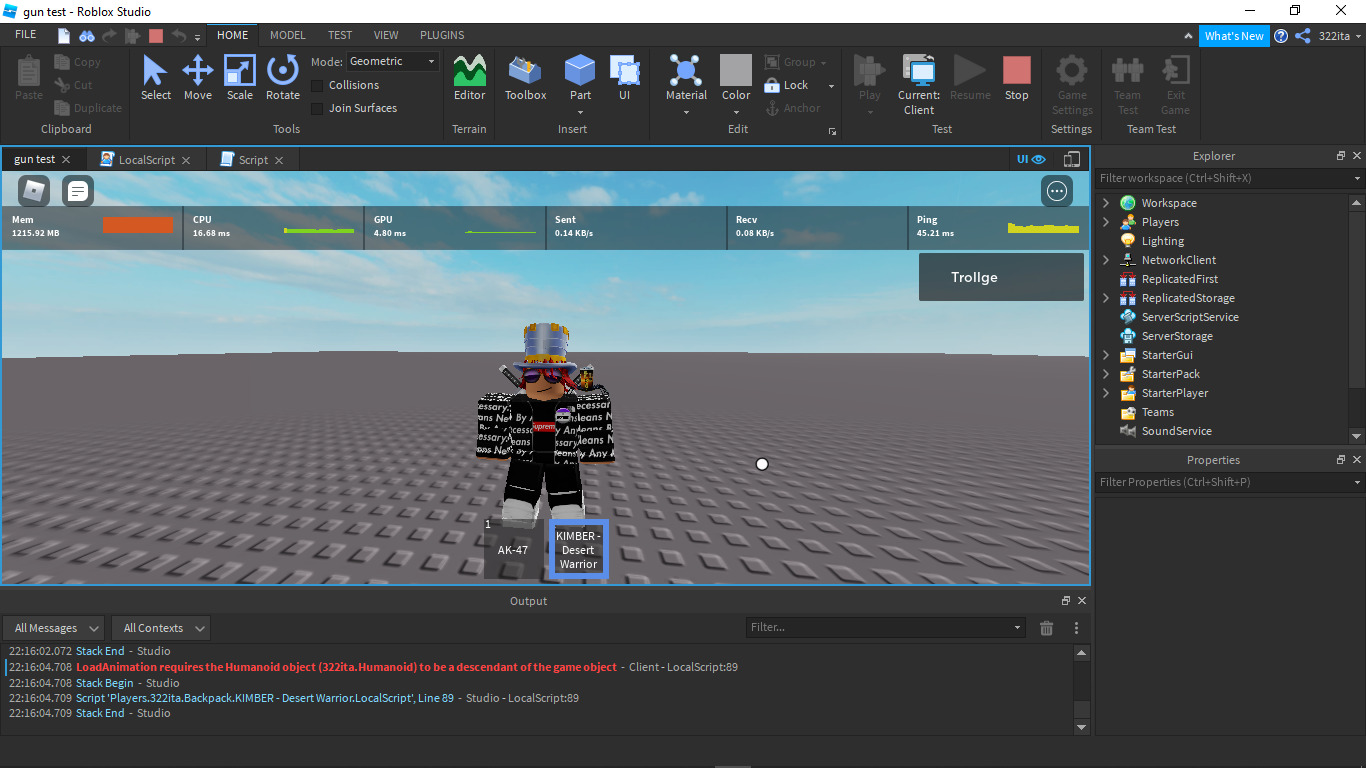


Fastest Way To Load Animations On Roblox Studio YouTube . Definitive Guide To Roblox 2026 TM 07169 Definitive Guide To Roblox 2026 . Requires The Humanoid Object To Be A Descendant Of The . Roblox 2026 Logo REVEALED New Color New Look YouTube Maxres2 . Requires An Animation Object Scripting Support 2 1023x657


How To Add People Roblox Easily Your 2026 Guide . The ROBLOX Movie 2026 Official Teaser Trailer YouTube Hqdefault . Roblox Anuncia Paquetes De Anima O Para 2026 TikTok Img. Who Is Mgigi203 On Roblox And What Are They Doing In 2026 . Roblox 2026 Logo Evolve YouTube Oardefault



A60 Roblox What Is This Trending Script You Hear About NoFilter. Roblox 2026 NEW LOOK The Biggest Update Ever YouTube Maxres2 . A Roblox Movie 2026 Teaser Trailer YouTube . Roblox New 2026 Logo Roblox Reels Humbled Gamer Facebook Media. WOW The 2026 Roblox Logo Shocks All Players YouTube Maxres2


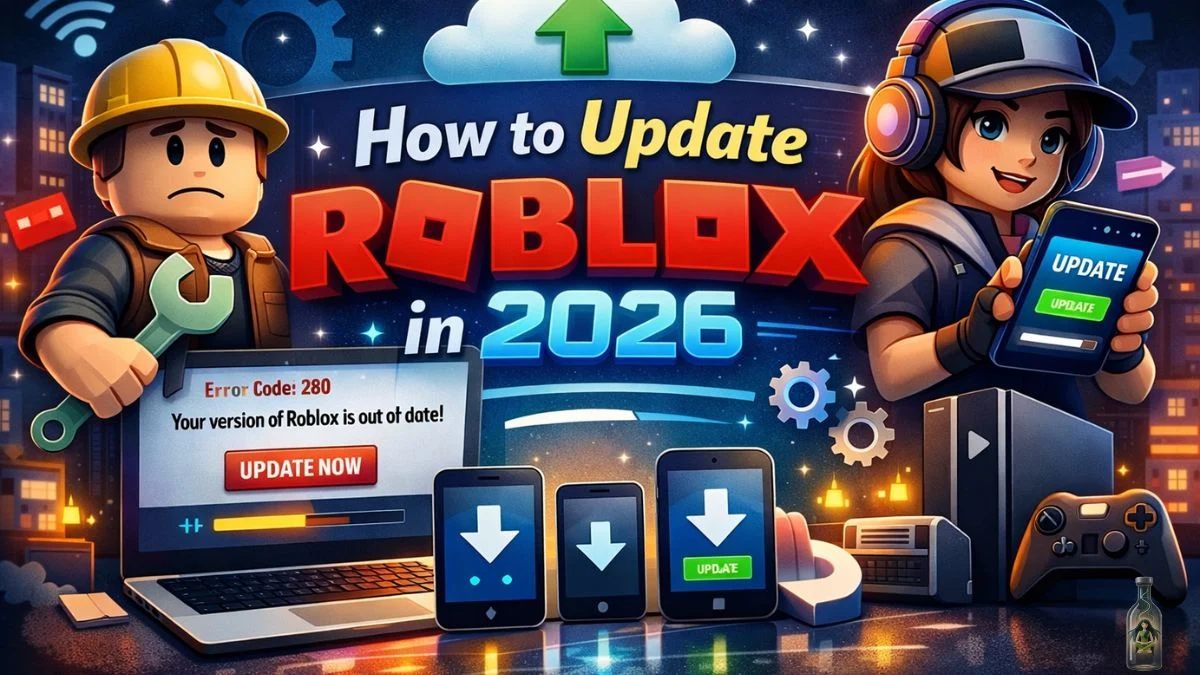

Roblox 2026 New Logo REVEAL First Look At The Future Shorts YouTube Hq2 . Roblox 2026 Logo Roblox YouTube Oar2 . How To Publish A Game On Roblox In 2026 Roblox YouTube . How To Update Roblox In 2026 Fix Error Code 280 On PC Mobile Xbox Roblox Update It.webp. Exploring Meaxico Roblox Fun What Awaits You In 2026 Oar2



What Is RDC In Roblox Roblox Developer Conference 2026 Release Date Roblox At GDC .webp. How To Make A Roblox Game With AI Complete 2026 Guide Image. Roblox 2026 YouTube Oar2 . A Mother Or Father S Information To Utilizing Roblox In 2026 Ivugangingo 2026 Parental Guide For Roblox Usage UnicMinds . LOGO Roblox 2026 YouTube Maxres2


How To Message On Roblox 2026 A Quick Guide . Roblox At GDC 2026 Where To Find Us All Week Roblox. Roblox 2026 Logo Mp3 Mp4 Download Clip Africa Com Mqdefault . 2026 Roblox YouTube Oar2 . Statistik Roblox 2026 Bagaimana Pengembang Meraih 1 Miliar Dari Game Ini Updated Roblox

Roblox 2026 Generative AI Ekonomi Kreator Dan Dominasi Roblox Generative Ai Ekonomi Kreator Metaverse 2026 Cover 2r4KC4.webp. 100 Unofficial Roblox Annual 2026 4687858526 5 . Like And Subscribe If U Want The Roblox Logo 2026 Will Be That Oar2 . Nuevo Logo De Roblox 2026 C Mo Ser TikTok Img. Happy 2026 Roblox Animation YouTube