Dive into whether turtles fit the busy lifestyle of US gamers balancing epic quests with real-world responsibilities. This guide explores the pros and cons of turtle ownership, addressing common concerns like setup complexity, daily care demands, and long-term commitment. Discover if these unique reptiles offer the low-maintenance companionship many gamers seek. We cover everything from habitat requirements to interaction levels, helping you decide if a shelled friend is the right addition to your gaming battlestation and home. Navigate the world of pet care with practical advice tailored for those who understand optimization and efficiency. Unpack the 'system requirements' for a turtle and see if it aligns with your gaming schedule and budget, avoiding common pitfalls.
Q: Are turtles a good pet for a gamer who works full-time and plays games frequently?
A: Yes, turtles can be an excellent pet choice for busy gamers balancing work and frequent play. They are largely independent, requiring minimal direct interaction compared to a dog or cat. Their daily care is quick, leaving ample time for gaming sessions without interruption. However, they do demand a significant initial setup investment and consistent, though not daily, habitat maintenance like water changes and filter cleaning.
Q: What's the biggest misconception about turtle ownership for someone considering one as a low-maintenance pet?
A: The biggest misconception is that turtles are extremely low maintenance once set up. While daily hands-on care is minimal, the initial habitat setup is complex and costly, requiring specific lighting, heating, and filtration. Furthermore, their long lifespan (20-50+ years) represents a significant, multi-decade commitment, which many underestimate when seeking a 'simple' pet.
Q: How much space does a turtle truly need, and can it fit into a typical gamer's setup?
A: Turtles, especially aquatic species, require substantial space. A single adult aquatic turtle often needs a 75-gallon tank or larger, which is a considerable footprint, potentially challenging for smaller gaming rooms or apartments. While they don't need 'play space' outside their tank, their enclosure itself can be a dominant feature, so planning for this physical presence is crucial for any gamer's setup.
Q: What's the realistic budget for setting up and maintaining a turtle habitat for the first year?
A: Realistically, expect an initial setup cost of 300-800 for the tank, filter, heater, lighting, and decor. First-year maintenance, including food, replacement bulbs, and potential vet checks, could add another 200-400. This is a significant upfront investment, similar to a mid-range PC build, so budget planning is essential before committing.
Q: How do turtles compare to other 'low-maintenance' pets like fish or hamsters in terms of commitment for a gamer?
A: Turtles generally require a greater commitment than fish or hamsters, primarily due to their much longer lifespan and more complex habitat requirements (e.g., specialized UVB lighting, robust filtration for large tanks). While fish and hamsters often have shorter lifespans and simpler setups, a turtle represents a decades-long responsibility, demanding more long-term planning and investment from a gamer.
Q: What kind of interaction can a gamer expect from a pet turtle?
A: Gamers should expect primarily observational interaction from a pet turtle. They aren't cuddly or playful but can learn to recognize their owner and associate them with feeding time. They offer a calm, peaceful presence, making them perfect background companions during intense gaming sessions. Their interaction is subtle, adding to the ambiance rather than demanding attention.
Q: Are there any ethical considerations a gamer should know before getting a turtle as a pet?
A: Absolutely. Many turtles are wild-caught, which can be detrimental to wild populations; always seek reputable breeders or adopt from rescues. Additionally, improper care leads to turtles being abandoned, harming local ecosystems. Understand the immense lifespan commitment and ensure you can provide appropriate care for decades, as rehoming large turtles is challenging.
Hey fellow gamers! Ever find yourself grinding through an epic raid, balancing work, family, and still wishing for a chill companion at your side? You're not alone. In 2026, with an estimated 87% of US adults regularly engaging in gaming, often dedicating 10+ hours a week, finding a pet that fits into that demanding yet rewarding lifestyle is a real quest. We love our games, from competitive esports to relaxing social co-ops, but life outside the screen demands attention too. This often leaves us wondering about pets that offer companionship without becoming another high-maintenance boss fight. Today, we're diving deep into a creature often overlooked: the humble turtle. Are turtles a good pet for the average gamer? Can they slot into your life without causing 'lag' or major 'setup issues'? Let's break down the 'system requirements' and 'gameplay loop' of turtle ownership, designed for gamers who value efficiency, smart spending, and a balanced life. We'll cut through the hype and give you the practical intel you need to decide if a shelled friend is your next great companion.
Are Turtles a Good AFK Friendly Pet for Busy Gamers?
For many US gamers, particularly those balancing a full-time job and family, the idea of an 'AFK friendly' pet is incredibly appealing. Turtles often fit this bill remarkably well. They don't require daily walks, constant attention, or extensive training like a dog might. Once their habitat is properly set up and cycled, much of their daily care revolves around feeding and monitoring, allowing you to jump into a quick match or focus on a work deadline without guilt. They're largely self-sufficient, occupying their own space, making them ideal for individuals who cherish their gaming sessions but still desire a living presence in their home. Think of them as a peaceful, living background ambient sound effect to your gaming rig, rather than a demanding NPC that constantly needs quests completed.
What's the System Requirements for a Turtle Habitat?
Setting up a turtle habitat is akin to building a custom PC – it requires planning, the right components, and a bit of initial investment. For aquatic turtles, you'll need a large aquarium (at least 20-30 gallons for juveniles, growing to 75+ gallons for adults depending on species). Essential gear includes a powerful filter to keep water clean, a submersible heater to maintain stable temperatures (75-80°F), and a basking light with both UVA/UVB bulbs. UVB is crucial for calcium metabolism, preventing debilitating shell issues. You'll also need a dry basking area, like a turtle dock. For land-dwelling tortoises, a large terrarium or outdoor enclosure with substrate, hides, and proper lighting is necessary. Just like optimizing your gaming rig, investing in quality initial setup components saves you headaches and 'bug fixes' down the line.
Is Turtle Care a Daily Grind or a Chill Side Quest?
Turtle care typically falls somewhere between a chill side quest and a weekly dungeon raid. Daily tasks are minimal: checking water temperature, ensuring basking lights are working, and offering food. This usually takes just a few minutes. The 'grind' comes with weekly or bi-weekly water changes and filter maintenance for aquatic turtles, or spot cleaning for land turtles, which can take 30-60 minutes depending on tank size. This isn't an everyday commitment, making it manageable for gamers who might dedicate their weekends to longer play sessions or social events. It's about establishing a routine, much like logging in for your daily quests, but without the pressure of immediate action. It’s consistent but not overwhelming, fitting well into a structured life.
Can a Turtle Be Your Co-op Partner Social Interaction?
If you're looking for a pet to actively engage with during your gaming sessions, a turtle might not be your ideal co-op partner. Turtles aren't typically cuddly or highly interactive in the way a cat or dog is. They are observational pets. While they can learn to recognize their owners, come to the front of the tank for food, or even watch you with curiosity, their interaction is largely on their terms. This passive companionship is perfect for gamers who want a living presence without interruptions. They won't jump on your keyboard during a clutch moment or demand walks during a critical boss fight. Their 'social play' is more about their calm presence enhancing your environment, allowing you to focus on your game while still having a companion nearby.
What are the DLC Costs of Owning a Turtle?
Like any long-term game with expansions, owning a turtle comes with ongoing 'DLC costs' beyond the initial setup. Expect recurring expenses for food (specialized pellets, fresh greens, occasional treats), replacement bulbs for basking lights (UVB bulbs need changing every 6-12 months), and potential vet visits. Finding a vet specializing in reptiles can sometimes be pricier than standard pet care, so factor that into your budget. Filter media also needs regular replacement. While not as demanding as upgrading your GPU every two years, these costs add up over a turtle's long lifespan. Budgeting for these 'maintenance patches' ensures your turtle's habitat remains optimal and their 'performance' stays high. Smart gamers plan for these long-term expenses to avoid unexpected financial hits.
How Long is a Turtle's Campaign Mode Lifespan?
This is perhaps the biggest 'system requirement' and a critical factor for any gamer considering a turtle: their lifespan. Many common pet turtle species, like Red-Eared Sliders, can live 20-30 years, and some tortoises even longer, often exceeding 50 years! This isn't a short-term game; it's a multi-decade commitment, a true legacy save file. This longevity means you'll need to consider how a turtle fits into your life's foreseeable changes – moving, career shifts, family growth. It's a serious commitment that demands forethought, much like planning for a console generation's worth of games. For the average US adult gamer around 36 years old, this means a turtle could be a companion for a significant portion of their adult life, a true long-term 'achievement unlock'.
What Are the Best Starter Turtles for New Pet Owners?
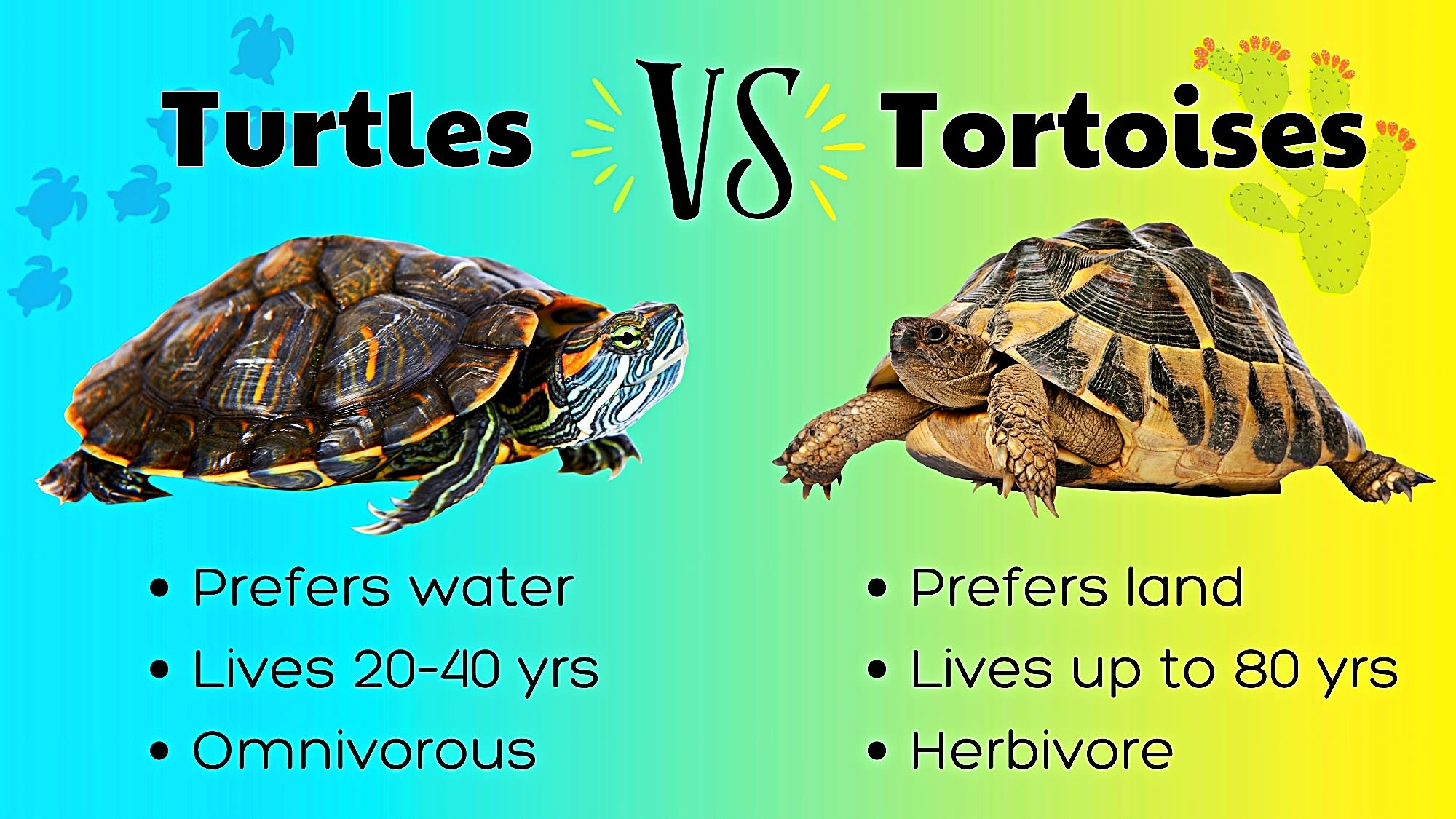
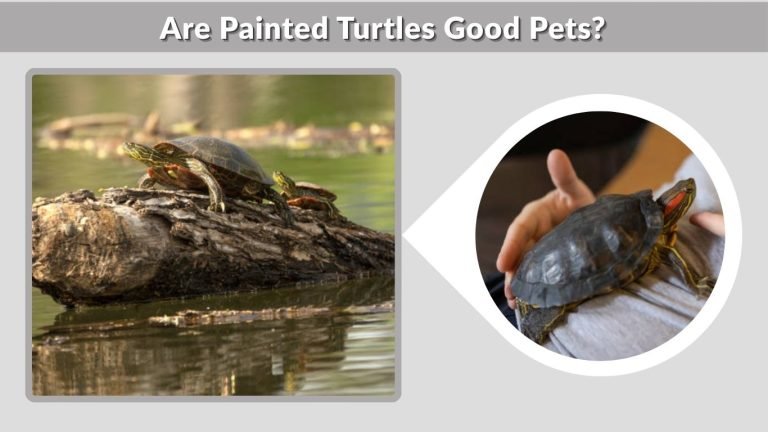
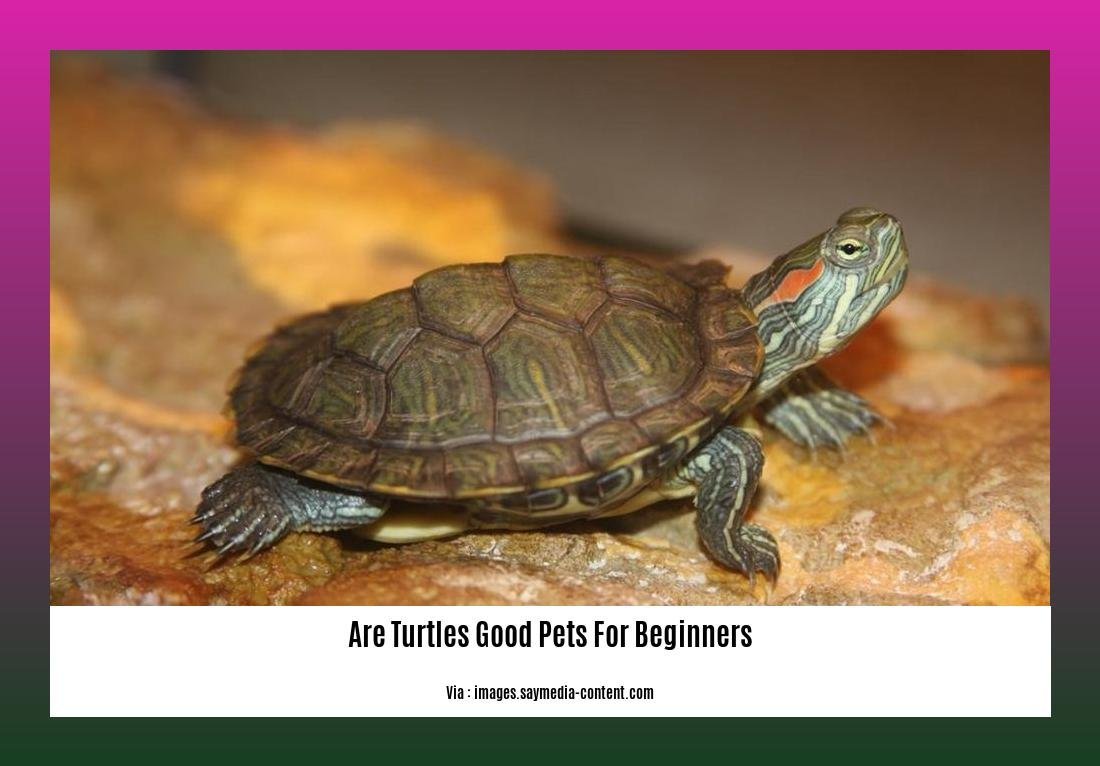
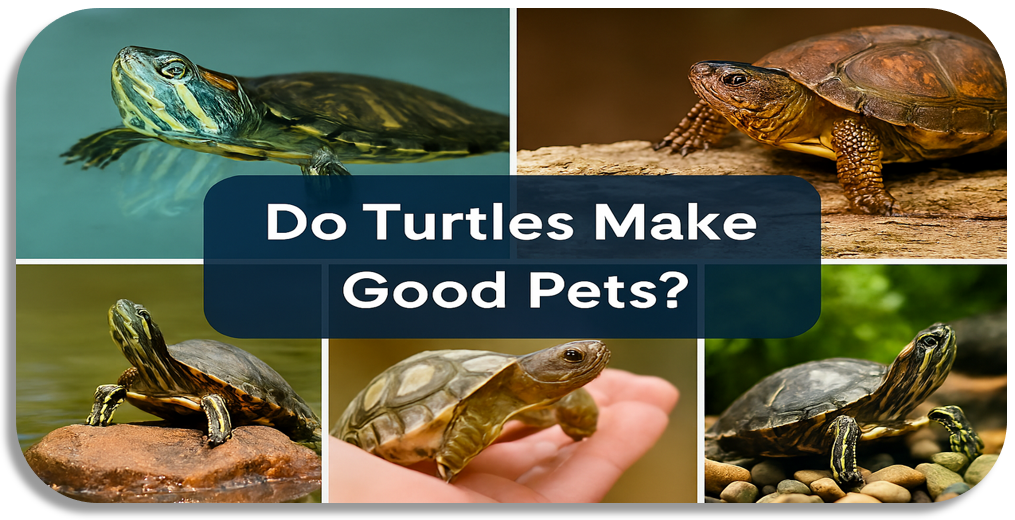
For first-time turtle owners, especially those new to reptile care, choosing the right species is crucial to avoid a frustrating 'newbie experience'. Red-Eared Sliders are incredibly common, readily available, and relatively hardy, but they grow quite large and live for decades, requiring significant space. Painted Turtles are another popular choice, similar in care to sliders but generally stay a bit smaller. Musk Turtles and Mud Turtles are smaller, more aquatic, and require less swimming space, making them suitable for smaller tanks (though still needing proper filtration and basking). For land-based options, Hermann's Tortoises or Russian Tortoises are good beginner choices for their moderate size and relatively straightforward care, provided you can offer a suitable habitat. Always research the specific needs of any species before committing.
Troubleshooting Common Turtle Bugs and How to Fix Them?
Even with the best setup, turtles can encounter 'bugs' – health issues or habitat problems. One common issue is shell rot, often caused by poor water quality or inadequate basking. The fix: improve filtration, ensure proper UVB and basking temperatures. Respiratory infections, indicated by bubbly noses or lethargy, often stem from temperature fluctuations; consult a vet immediately and stabilize habitat temps. Metabolic Bone Disease (MBD), leading to soft or deformed shells, is almost always due to insufficient UVB or calcium. The solution: correct lighting, supplement diet with calcium. Just like troubleshooting a game crash, identifying the root cause is key. Regular observation of your turtle's behavior and environment is your best 'debugging' tool, catching issues before they escalate into major problems that require an 'emergency patch' from a specialized reptile vet.
FAQ Section
Can I play games while my turtle watches?
Absolutely! Turtles are quiet and independent, making them perfect companions for your gaming sessions. They'll occupy their habitat peacefully while you focus on your screen, offering a calm presence without any distractions or demands for attention. Many owners find their turtles fascinating to watch during brief breaks from intense gameplay, providing a moment of zen.
Do turtles make noise?
Generally, turtles are very quiet pets. They don't bark, meow, or chirp. The only sounds you might hear are the gentle splashing of water if they're aquatic, or the occasional rustle of substrate if they're land-based. This makes them ideal for gamers who value a peaceful gaming environment or live in apartments with noise restrictions.
Are turtles messy pets?
Aquatic turtles can produce a lot of waste, which means their water can get dirty quickly without proper filtration. However, with a powerful filter and regular water changes, their habitat can be kept clean. Land tortoises are generally less messy, but still require spot cleaning of their substrate. Maintaining a clean habitat is crucial for their health and preventing odors.
How often do turtles need to be fed?
Juvenile turtles typically need to be fed daily, while adult turtles can be fed every other day or three times a week. The amount and type of food vary by species, but a balanced diet includes commercial turtle pellets, fresh leafy greens, and occasional protein sources. Overfeeding can lead to health issues, so portion control is important.
What's the minimum tank size for a turtle?
The general rule for aquatic turtles is 10 gallons of water per inch of shell length. So, a 6-inch turtle would need at least a 60-gallon tank. Land tortoises require spacious enclosures, often several square feet, with room to roam and burrow. Adequate space is vital for a turtle's well-being and growth.
Can turtles live with other pets?
Turtles generally do best when housed alone. Housing multiple turtles can lead to aggression, competition for resources, and stress. It's generally not recommended to house turtles with other species of animals, as they can injure each other or transmit diseases. Their enclosure is their sanctuary, best kept exclusively for them.
Conclusion
So, are turtles a good pet for gamers? If you're looking for a low-interaction, quiet companion that doesn't demand constant attention but offers a unique, long-term presence, then a turtle could be a fantastic addition to your life. They require an initial 'system build' commitment for their habitat and ongoing 'maintenance patches,' but the daily 'gameplay' is relatively chill. Just like you'd research a new game or hardware upgrade, understanding their specific needs and preparing for their multi-decade 'campaign mode' is crucial. For busy US gamers who want a living creature to share their space without interrupting their digital adventures, a turtle offers a distinct and rewarding experience, allowing you to focus on your latest quest while they peacefully do their own thing. What's your biggest gaming challenge when it comes to balancing life and pets? Comment below!
Low maintenance pet, Long lifespan, Specific habitat needs, Quiet companion, Initial setup investment, Compatible with gaming lifestyle, Requires dedicated habitat space, Minimal direct interaction, Potential for long-term commitment, Suitable for busy adults
35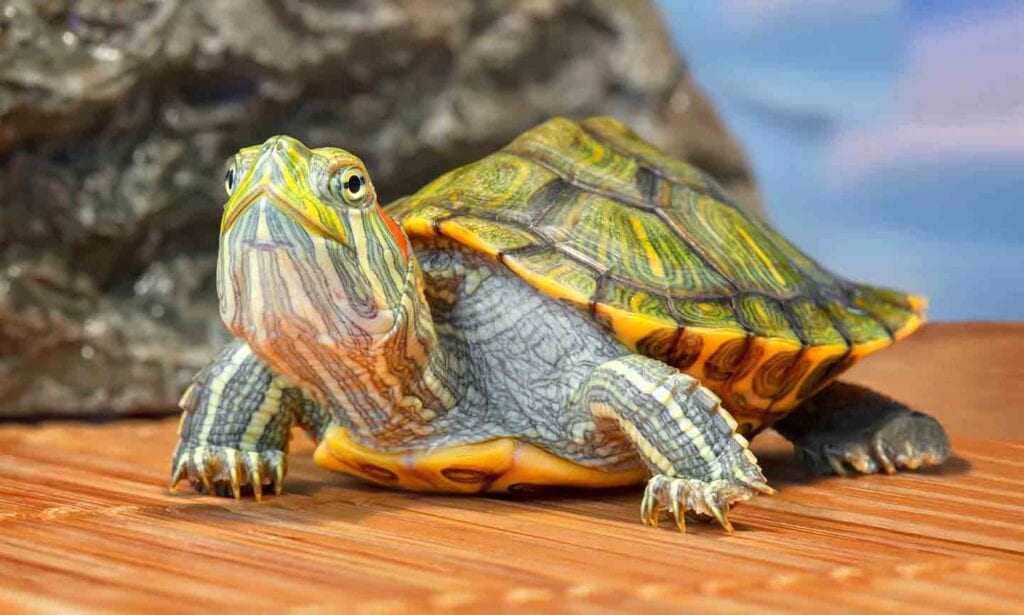


Pet Turtles 101 A Beginner S Guide To Keeping Turtles And Tortoises Pet Turtle 1024x615 . 4 LARGEST Turtle Breeds You Can Keep As Pets 2026 Biggest Turtles . 15 Best Pet Turtles That Are Cute And Easier To Take Care Of Best Pet Turtles 1 . What Do Baby Box Turtles Eat As Pets At Caren Knuckles Blog Is Holding Small Turtle Her Hand Let Turtle Nature Making Merit . 10 Reasons Why Pet Turtles Make Great Pets We Re All About Pets Turtle Tank


Little Water Turtles As Pets Turtlehero . What To Feed Your Pet Turtle Full Diet Guide For Healthy Turtles Pet Turtle 5 683x1024 . The Painted Turtle A Great Pet Choice CyPaint Can You Keep A Painted Turtle As A Pet. Little Water Turtles As Pets Terrapins . 32 Tips For Taking Care Of Pet Turtles PetsRadar 970 80


Pet Turtles Best Pet Turtle And Tortoise . Do Turtles Make Good Pets Animal Care Center Turtles . Aquatic Turtles Good Pets Or Not PetShun Are Aquatic Turtles Good Pets. Small Turtles Good Pets Or Not PetShun Are Small Turtles Good Pets. Are Turtles Good Pets For Beginners Mitmunk Are Turtles Good Pets For Beginners




Land Turtles Vs Water Turtles As Pets Which Is Better Turtle Pet Guide Land Turtles Vs Water Turtles As Pets . Turtles And Tortoises Make Great Pets The Quiet Companions PetPress Copy Of Petpress Titles 18 1 768x1152 . Western Painted Turtle Habitat Size Diet Lifespan Guide 6 98 1024x576 . Five Of The Best Pet Turtles You Could Possibly Get YouTube . Painted Turtle Habitat Diet Lifespan Key Facts 6 97 768x432


Are Turtles Good Or Bad For Ponds At Shirl Wright Blog Are Turtles Good Pets For Beginners 2 1024x721 . Are Turtles Good Luck 9 Interesting Facts 2026 Are Turtles Good Luck 768x432 . Are Turtles Good Or Bad For Ponds At Shirl Wright Blog Are Turtles Good Pets For Beginners 3 . Are Turtles Good Or Bad For Ponds At Shirl Wright Blog Are Turtles Good Pets For Beginners 1 . Do Turtles Make Good Pets Honest Guide For Beginners Do Turtles Make Good Pets

2026 Turtle Calendar 2026Cover Small . Turtle Calendar 2026 Etsy Il 2dna . 374 Best Turtle Names 2026 Cute Funny Unique Ideas Names Trove Realistic Baby Turtle On Beach With 374 Turtle Names 2026 Cute Funny And Unique Pet Turtle Ideas . Top 10 Turtles Species That Make Great Pets 2026 Top 10 Species Of Turtles That Make Great Pets . 2026 A4 Calendar Turtles Reptiles Folksy Display


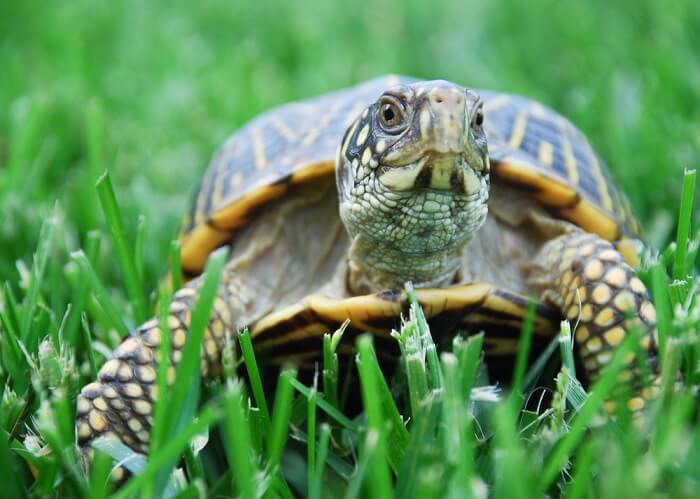


Do Chinchillas Make Good Classroom Pets Pet Spare . Turtles The Perfect Classroom Pet PetShun Are Turtles Good Class Pets. 10 Reasons Why Pet Turtles Make Great Pets We Re All About Pets Pet Turtles . Turtles Are They Good Pets PetShun Is Having A Turtle As A Pet God. How To Care For A Baby Turtle Most Species Dog Potato