Navigating the complex world of CPUs can feel like a boss battle without a guide especially when you are looking to optimize your gaming setup for peak performance. This comprehensive resource dives deep into the processor hierarchy explaining how different CPU tiers impact your frame rates multitasking and overall gaming experience. We will break down everything from understanding core counts and clock speeds to the vital role of cache levels helping you make informed decisions whether you are building a new rig or upgrading an existing one. Discover how to balance performance with budget ensuring your gaming investment delivers maximum value. We also touch upon the latest 2026 trends in gaming processors and how they cater to the modern gamer's needs including social play streaming and competitive esports. Get ready to level up your hardware knowledge and conquer any performance bottlenecks with our expert insights into processor hierarchy.
What is processor hierarchy in gaming terms?
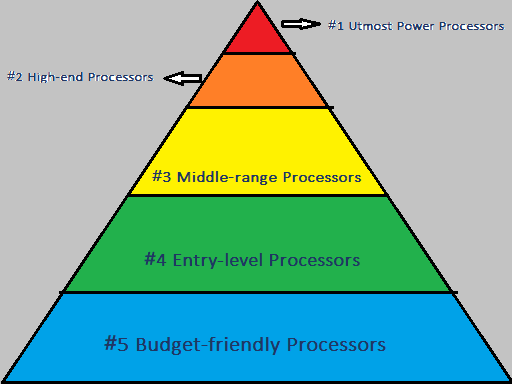
Processor hierarchy in gaming refers to the classification of CPUs by their performance tiers, from entry-level to high-end. It helps gamers understand which processors offer the best performance for their budget and specific gaming needs, impacting frame rates, multitasking, and overall system responsiveness.
How does understanding CPU hierarchy improve my gaming experience?
Understanding CPU hierarchy empowers you to choose a processor that prevents bottlenecks, ensuring your graphics card can perform optimally. This leads to higher frame rates, smoother gameplay, faster load times, and better multitasking capabilities for streaming or voice chat, ultimately enhancing your entire gaming experience.
Which tier of processor is ideal for casual gamers who also work from home?
For casual gamers who also work from home, a mid-tier processor like an Intel Core i5 or AMD Ryzen 5 is often ideal. These CPUs offer a strong balance of performance for modern games and sufficient power for productivity tasks, streaming, and video calls without a significant cost overhead.
Can a budget-friendly CPU still perform well in the current processor hierarchy?
Absolutely. Modern budget-friendly CPUs in the lower-mid tiers of the processor hierarchy, such as newer Intel Core i3 or AMD Ryzen 3 models, can deliver surprisingly good performance for many popular games, especially when paired with a capable GPU. They are perfect for 1080p gaming and esports titles.
What are the key factors determining a CPU's place in the processor hierarchy for gaming?
The key factors determining a CPU's place in the processor hierarchy for gaming include its core count, clock speed, cache size (especially L3 cache), and the efficiency of its underlying architecture. A better combination of these elements typically results in a higher-tier processor with superior gaming performance.
Why do streamers need a higher-tier processor in the hierarchy?
Streamers need a higher-tier processor because streaming is a CPU-intensive task. A powerful CPU with more cores and threads allows the system to run the game smoothly, encode the video stream, and manage other applications like Discord simultaneously, preventing performance dips and ensuring a high-quality broadcast.
How do I know if my current CPU is too low in the hierarchy for new games?
You'll know if your CPU is too low in the hierarchy if you experience significant frame rate drops, stutters, or high CPU utilization (near 100%) while your GPU utilization is low during gaming, especially with newer titles. Slow loading times or struggles with background tasks also indicate a potential CPU bottleneck.
Hey fellow gamers! Ever felt that frustrating stutter in your favorite open-world game or wondered why your streaming setup struggles when you are trying to raid with your squad? You are not alone. With 87% of US gamers regularly diving into virtual worlds averaging over 10 hours a week many of us juggle gaming with jobs families and a full life. We value every second of relaxation fun and skill-building that gaming offers. But nothing kills the vibe faster than hardware holding you back especially when it comes to the brain of your gaming rig your CPU.
Understanding the processor hierarchy is not just for tech gurus; it is crucial for every gamer looking to maximize their experience without breaking the bank or getting lost in marketing hype. This guide will cut through the noise giving you the practical insights you need to make smart CPU choices for your gaming setup. We will cover everything from what processor hierarchy actually means to how it impacts your FPS and even your ability to multitask effectively like chatting on Discord while crushing enemies. Let's unlock that optimal performance together.
What Exactly is Processor Hierarchy and Why Does it Matter for Gamers?
Processor hierarchy refers to the tiered classification system used by CPU manufacturers like Intel and AMD to categorize their central processing units based on performance capabilities features and target market. Think of it like game difficulty settings easy normal hard legendary each offering a different level of challenge and reward. For gamers this hierarchy is vital because it directly dictates how smoothly your games run how quickly your applications load and how well your system handles multiple tasks simultaneously.
At its core a CPU's position in this hierarchy is determined by factors such as core count clock speed cache size and architectural efficiency. A higher-tier processor generally offers more cores faster clock speeds larger cache and more advanced architectures leading to significantly better performance especially in demanding games or when multitasking. Understanding this helps you choose a processor that aligns with your gaming habits and budget preventing common pain points like low frame rates during intense combat or slow load times.
How Do I Decipher CPU Tiers and What Do the Numbers Mean?
Deciphering CPU tiers might seem daunting with all the alphanumeric codes but it is simpler than you think. Both Intel and AMD use a naming convention that typically includes brand family generation and a performance indicator. For example Intel's Core i series goes i3 i5 i7 i9 with the number increasing for better performance. AMD uses Ryzen 3 Ryzen 5 Ryzen 7 Ryzen 9 following a similar pattern. The higher the number the generally more powerful the processor.
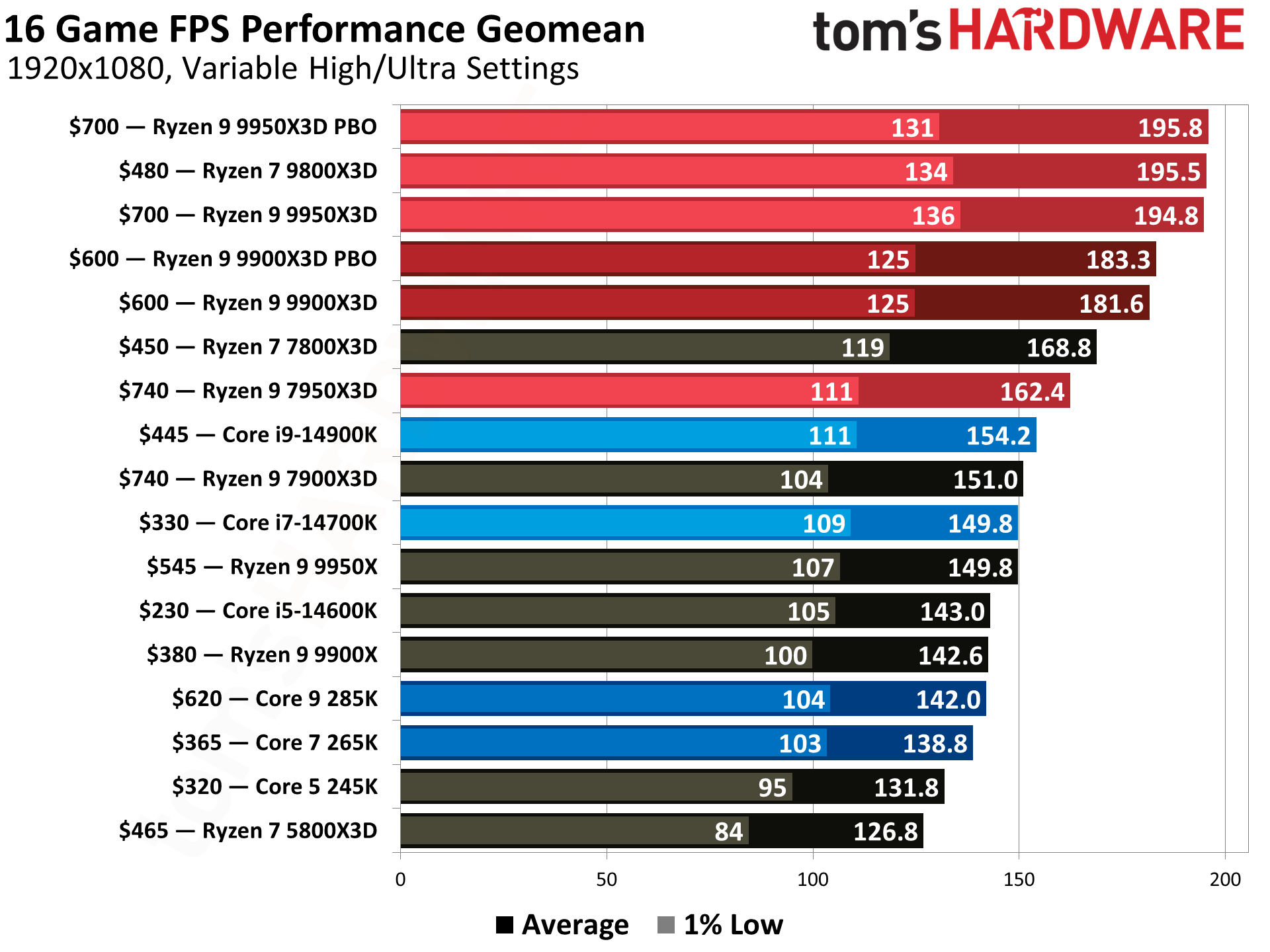
The numbers following the family (e.g., Intel Core i7-14700K or AMD Ryzen 7 7800X3D) usually denote the generation (14th gen for Intel 7000 series for AMD) and specific model within that generation. A higher generation typically means newer technology and better efficiency. Suffixes like K (Intel) or X3D (AMD) indicate specific features such as unlocked for overclocking or advanced cache technology optimized for gaming. Knowing these helps you compare apples to apples and pick a processor that truly matches your gaming needs.
Which Processor Hierarchy Level is Best for My Budget Gaming Rig?
For gamers balancing tight budgets with performance goals choosing the right processor hierarchy level is key. Historically mid-tier processors like the Intel Core i5 series or AMD Ryzen 5 series offer the best bang for your buck. These CPUs strike an excellent balance between cost and performance capable of running most modern games at respectable frame rates especially when paired with a good GPU.
In 2026 you will find robust options in this segment that easily handle popular titles like Call of Duty Warzone or Baldur's Gate 3 at 1080p and even 1440p with appropriate settings. They also manage everyday tasks streaming and light content creation without a hitch. While top-tier CPUs offer marginal gains in pure gaming FPS for the vast majority of gamers the mid-range provides exceptional value for money allowing you to allocate more budget to your graphics card which is often the primary driver of gaming performance.
Can a Higher-Tier CPU Future-Proof My Gaming System?
While no hardware component can truly future-proof a system indefinitely investing in a higher-tier CPU from the current processor hierarchy can certainly extend the relevancy of your gaming rig. A powerful CPU typically has a longer shelf life for gaming performance compared to a GPU as games tend to be more GPU-bound. A top-tier Intel Core i9 or AMD Ryzen 9 from the current generation will likely handle new game releases for several years to come without becoming a bottleneck.
This strategy is particularly appealing to gamers who play a variety of genres including CPU-intensive simulation games strategy titles or those who engage in streaming and content creation alongside gaming. A robust CPU also provides headroom for future GPU upgrades. However it is important to remember that technology evolves rapidly and even the best CPU will eventually be surpassed. The goal is prolonged high performance not eternal relevance.
What's the Role of Cache in Processor Hierarchy and Gaming Performance?
Cache memory is often overlooked but it plays a crucial role in a processor's hierarchy and gaming performance. It is a small but extremely fast memory located directly on the CPU designed to store frequently accessed data and instructions. The CPU can retrieve data from cache much faster than from main system RAM which significantly reduces latency and speeds up processing.
Modern CPUs typically feature multiple levels of cache L1 L2 and L3 with L3 being the largest and shared among cores. For gamers a larger and more efficient cache especially L3 can translate to smoother gameplay higher minimum frame rates and better overall responsiveness. AMD's 3D V-Cache technology found in their X3D series processors is a prime example of how optimized cache can provide a substantial uplift in gaming performance making it a key differentiator within the processor hierarchy and a feature worth considering for serious gamers.
How Do Intel and AMD Compare in the Processor Hierarchy for Gamers in 2026?
In 2026 both Intel and AMD continue to offer highly competitive processors within the hierarchy making the choice a fantastic headache for gamers. Intel typically excels with raw single-core performance which benefits many games that do not fully utilize multiple cores. Their higher-end i7 and i9 processors are powerhouses for both gaming and heavy multitasking like video editing.
AMD on the other hand has made significant strides with their Ryzen series especially with multi-core performance and power efficiency. Their X3D variants with 3D V-Cache often lead in pure gaming benchmarks for many titles due to their optimized cache. For gamers who prioritize raw FPS in specific games AMD's Ryzen X3D chips are very appealing. The decision often comes down to specific game optimizations budget and whether you prioritize peak gaming performance in certain titles or a more balanced all-around workstation capability.
Does Processor Hierarchy Impact Streaming and Multitasking for Gamers?
Absolutely! The processor hierarchy profoundly impacts a gamer's ability to stream and multitask seamlessly. A higher-tier CPU with more physical cores and threads like an Intel Core i7/i9 or AMD Ryzen 7/9 provides the necessary horsepower to handle multiple demanding tasks concurrently. For example if you are streaming your gameplay via OBS running Discord for voice chat and perhaps a browser with several tabs open a lower-tier CPU can quickly become a bottleneck leading to dropped frames in your stream choppy audio or overall system slowdowns.
High-end processors efficiently distribute workloads across their numerous cores allowing your game to run smoothly while dedicated cores handle encoding tasks for streaming and other background applications. This means a much more pleasant and professional experience for both you and your audience a critical factor given the rise of social gaming and creator influence. Balancing gaming with life often means multitasking so a robust CPU is an investment in your productivity and enjoyment.
Tips for Choosing the Right Processor in the Current 2026 Market
Choosing the right processor in 2026 involves a few key considerations to avoid common pitfalls:
Know Your Games: Research if your favorite games are more CPU or GPU intensive. Most games benefit more from a powerful GPU but some strategy simulation or open-world titles lean heavily on the CPU.
Match Your Monitor: If you are gaming at 1080p with a 60Hz monitor you might not need the absolute highest-tier CPU. For 1440p or 4K high refresh rate monitors a more powerful CPU can help prevent bottlenecks and maintain higher frame rates.
Consider Your Other Hobbies: If you edit videos stream develop games or do other CPU-intensive work outside of gaming factor that into your decision. More cores generally translate to better performance in these applications.
Check Compatibility: Always ensure your chosen CPU is compatible with your motherboard's socket type (e.g., AM5 for current AMD LGA 1700 for current Intel) and that your power supply can handle it.
Budget Smart: Aim for the best GPU you can afford and then allocate the remaining budget to a CPU that will not bottleneck it. A balanced system is key to value for money.
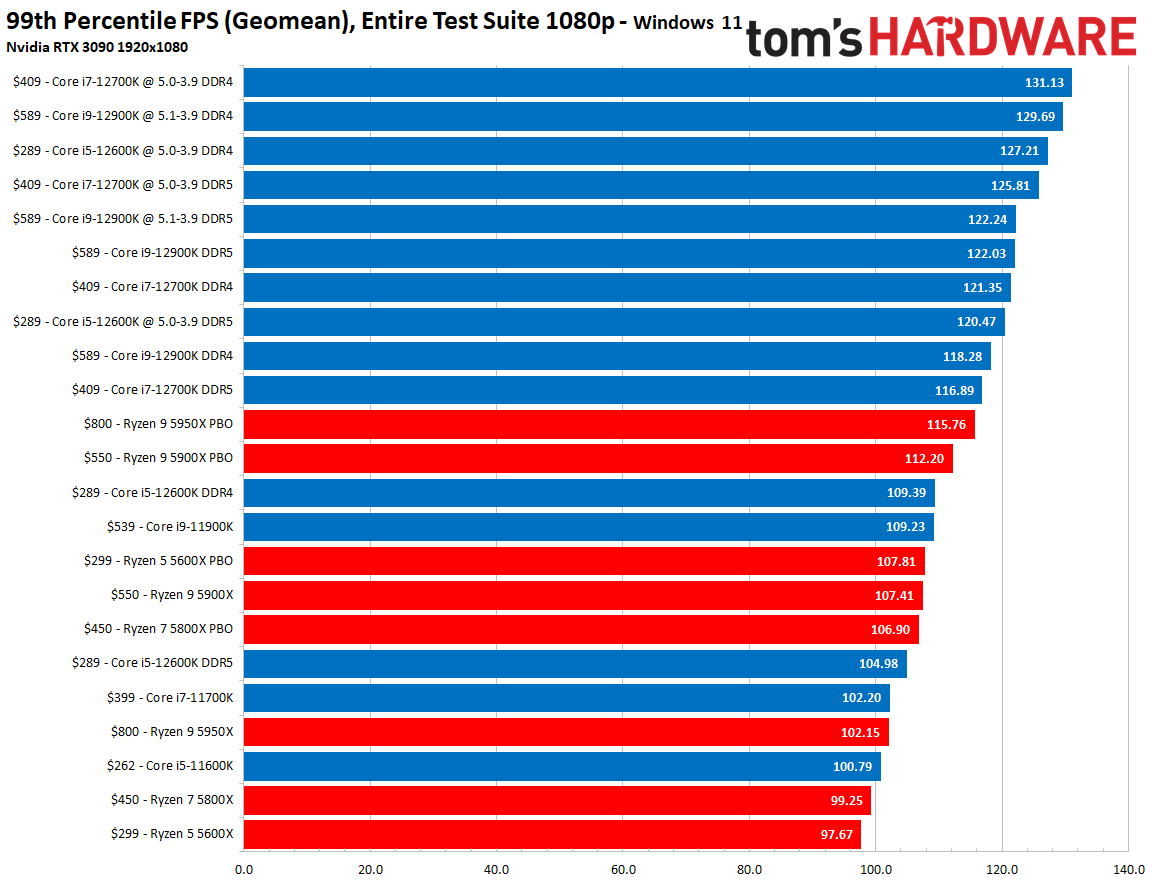
Read Reviews: Always check recent benchmarks and reviews from trusted tech sites. Pay attention to performance in real-world gaming scenarios not just synthetic tests.
Upgrading Your CPU: When and Why it Makes Sense for a Gamer
Upgrading your CPU is not always necessary but it can make a significant difference in specific scenarios. You should consider a CPU upgrade if:
You are Experiencing Bottlenecking: If your GPU usage is consistently low (e.g., below 90%) while your CPU usage is at 100% during gaming it means your CPU is holding back your graphics card. A CPU upgrade will unlock your GPU's full potential.
New Games Run Poorly: If recently released games or upcoming titles struggle even at lower settings despite having a decent GPU your CPU might be outdated.
Multitasking is a Struggle: If streaming recording or running multiple applications alongside your games causes severe performance issues a CPU with more cores and threads will offer a smoother experience.
You are Doing a Major Platform Jump: Moving from an older generation platform (e.g., DDR4 to DDR5 or a new socket type) often necessitates a CPU motherboard and RAM upgrade simultaneously for maximum benefit.
Long-Term Investment: If you plan to keep your system for several years a mid-to-high tier CPU upgrade can provide a solid foundation for future GPU upgrades.
Before upgrading always check current benchmarks and ensure the upgrade is a cost-effective improvement. Sometimes a full system rebuild offers better value than piecemeal upgrades especially if your current motherboard is several generations old.
Conclusion
Navigating the processor hierarchy can seem daunting but with a clear understanding of what makes a CPU tick and how it impacts your gaming you are now equipped to make informed decisions. Remember a balanced system is key to performance optimization and value for money ensuring you spend less time troubleshooting and more time enjoying your games whether you are unwinding after a long day building skills or connecting with friends online. Keep an eye on new releases and stay informed to keep your rig running smoothly. What's your biggest gaming challenge with your current CPU? Comment below!
FAQ Section
Is a higher core count always better for gaming?
Not always. While more cores help with multitasking and some modern games, many titles still benefit more from higher single-core performance and clock speeds. A balanced approach with a good core count (6-8 for most gamers) and high clock speeds is often ideal.
What is the difference between an Intel 'K' processor and a non-'K' processor?
Intel 'K' processors are 'unlocked' meaning they can be overclocked by the user to achieve higher clock speeds for better performance, provided you have adequate cooling. Non-'K' processors are locked and cannot be easily overclocked.
Does CPU hierarchy affect game loading times?
Yes, indirectly. A faster CPU can process game assets quicker, and its efficient interaction with fast storage (like NVMe SSDs) and system RAM can reduce loading times. However, the primary factor for loading times is usually the storage drive itself.
How important is thermal design power (TDP) in processor hierarchy?
TDP indicates the maximum heat a processor is expected to generate under load. Higher-tier CPUs often have higher TDPs, meaning they require more robust cooling solutions. Understanding TDP helps you choose an appropriate cooler to prevent thermal throttling and maintain performance.
Can I mix and match Intel and AMD CPUs on the same motherboard?
No, Intel and AMD CPUs use different motherboard sockets and chipsets, making them incompatible. You must choose a motherboard specifically designed for either Intel or AMD processors when building or upgrading your system.
Is it worth buying a last-generation high-end CPU from the hierarchy?
Sometimes, yes! A last-generation high-end CPU can often offer performance very close to current mid-range chips at a significantly lower price, making it an excellent value proposition for budget-conscious gamers looking to optimize their cost-to-performance ratio.
Understanding CPU tiers and their impact on gaming performance; deciphering core counts clock speeds and cache levels; Intel vs AMD processor hierarchy comparison for gamers; budget-friendly CPU upgrade strategies; future-proofing gaming rigs with the right processor; processor hierarchy for streaming and multitasking; optimizing gaming experience through informed CPU choices.
35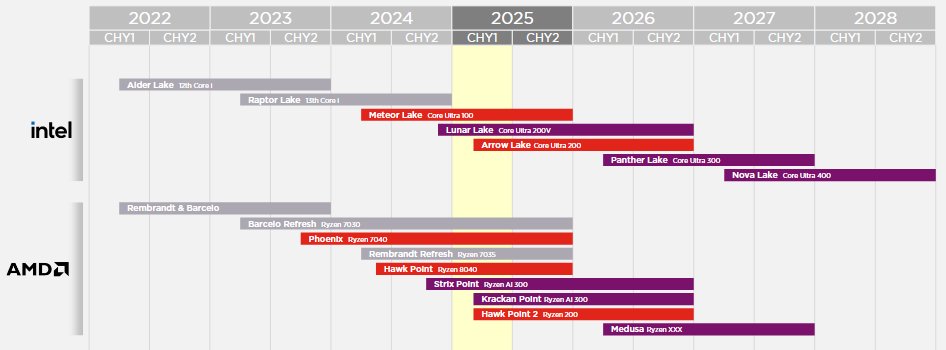
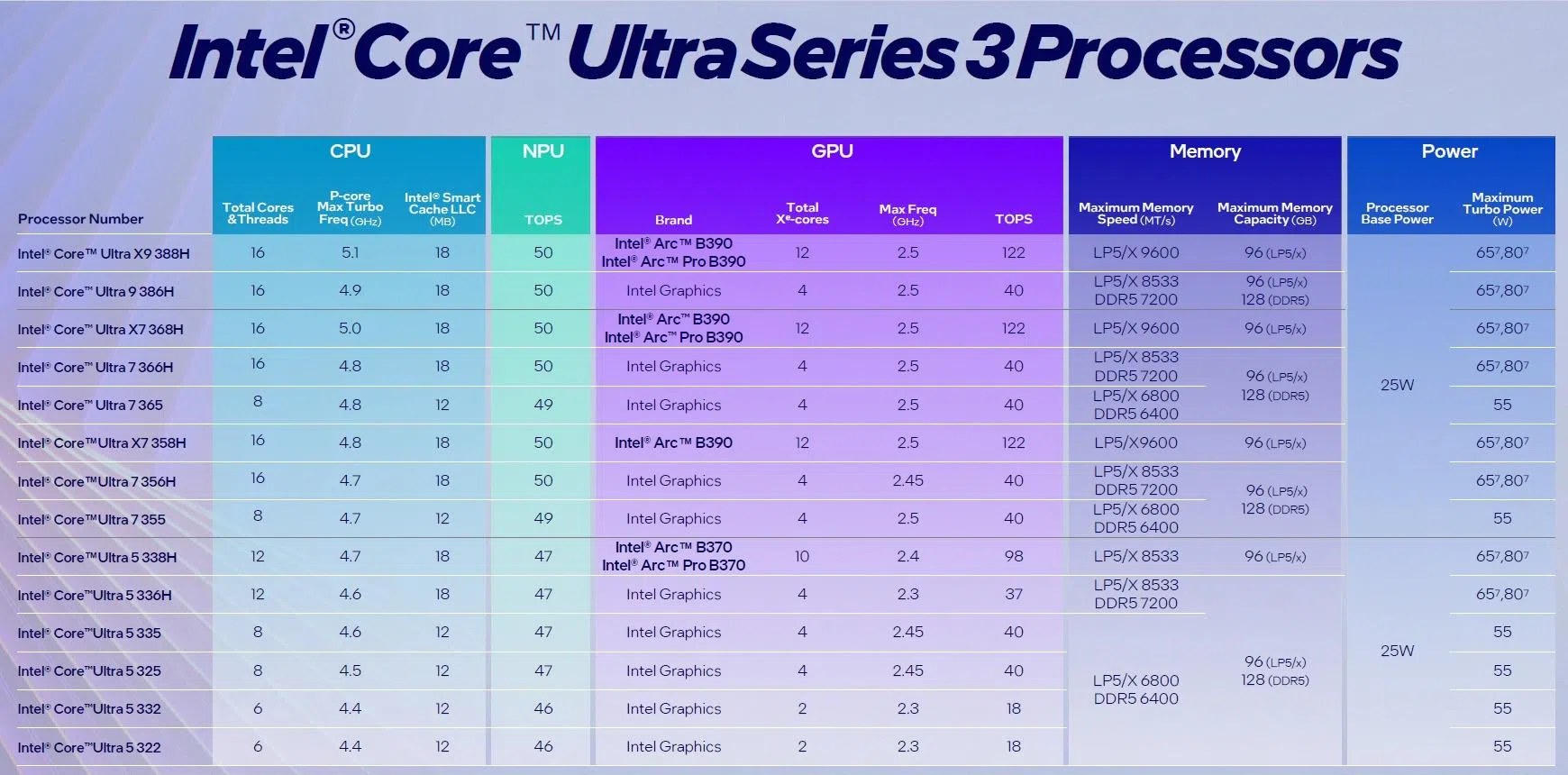


Intel AMD Laptop CPU Roadmaps Leaks 2026 2027 Plans Unveiled OC3D . CPU Benchmarks And Hierarchy 2026 CPU Rankings Tom S Hardware 1796 80 . CES 2026 Roundup All The Biggest Tech. Intel AMD Arrow Lake HX 2025 2026 Panther Lake Intel CPU Roadmap CLEVO Leak Arrow Lake Panther Lake Lunar Lake. Tin T C AMD Roadmap CPU GPU 2026 VOZ
/cdn.vox-cdn.com/uploads/chorus_asset/file/19083872/lineup.jpg)
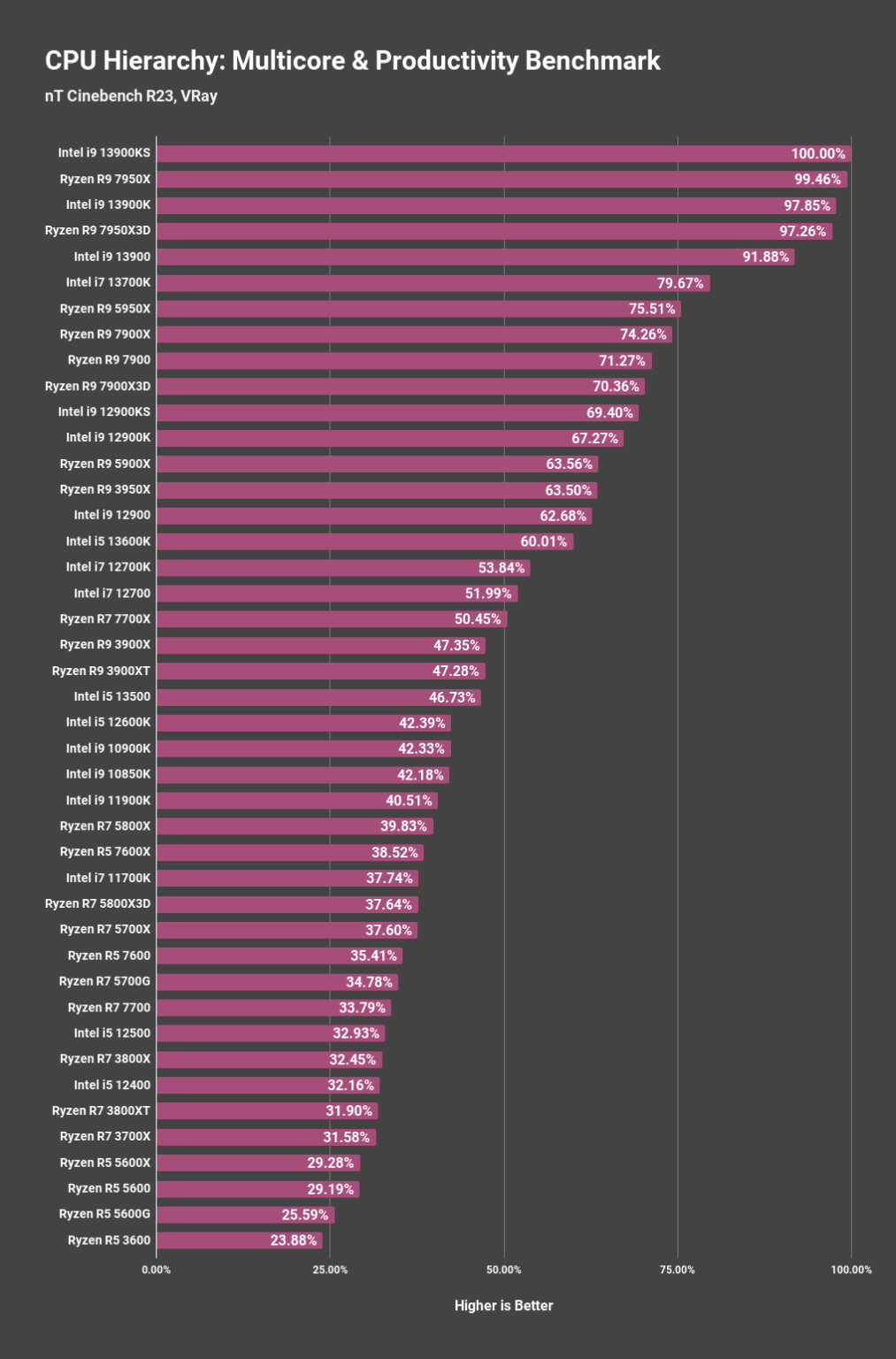
CPU Hierarchy Benchmarks Ranking Performance Compared Cpu Benchmarks And Hierarchy 2023 Multicore Cpu Ranking 1013x1536 . Intel Cpu Garantie Hinweis Intel Processor Names Numbers And Lineup . Computer Chips Comparison . AMD S 128 Core EPYC CPU Becomes The Multi Threaded Performance Champ In . Intel Panther Lake Arrow Lake HX Refresh Nova Lake 2026 Intel Mobile Intel Core Ultra 200v CPUS


Cpu Compare . Intel Nova Lake Desktop Cpu 2026 Intel Reaffirms Its Cpu Roadmap Arrow Intel Arrow Lake Desktop CPUs 1456x786 . AMD Shows Ryzen 7000 CPU Competitive Positioning Against Intel 13th Gen AMD Ryzen 7000 Non X X X3D CPU Competitive Positioning Chart Against Intel 13th Gen CPUs 3 . Intel Cpu Generations Performance Comparison At Ryan Boland Blog Core Comparasion Chart . AMD S New Ryzen Mobile CPU Naming Scheme Explained Beebom AMD Current Lineup


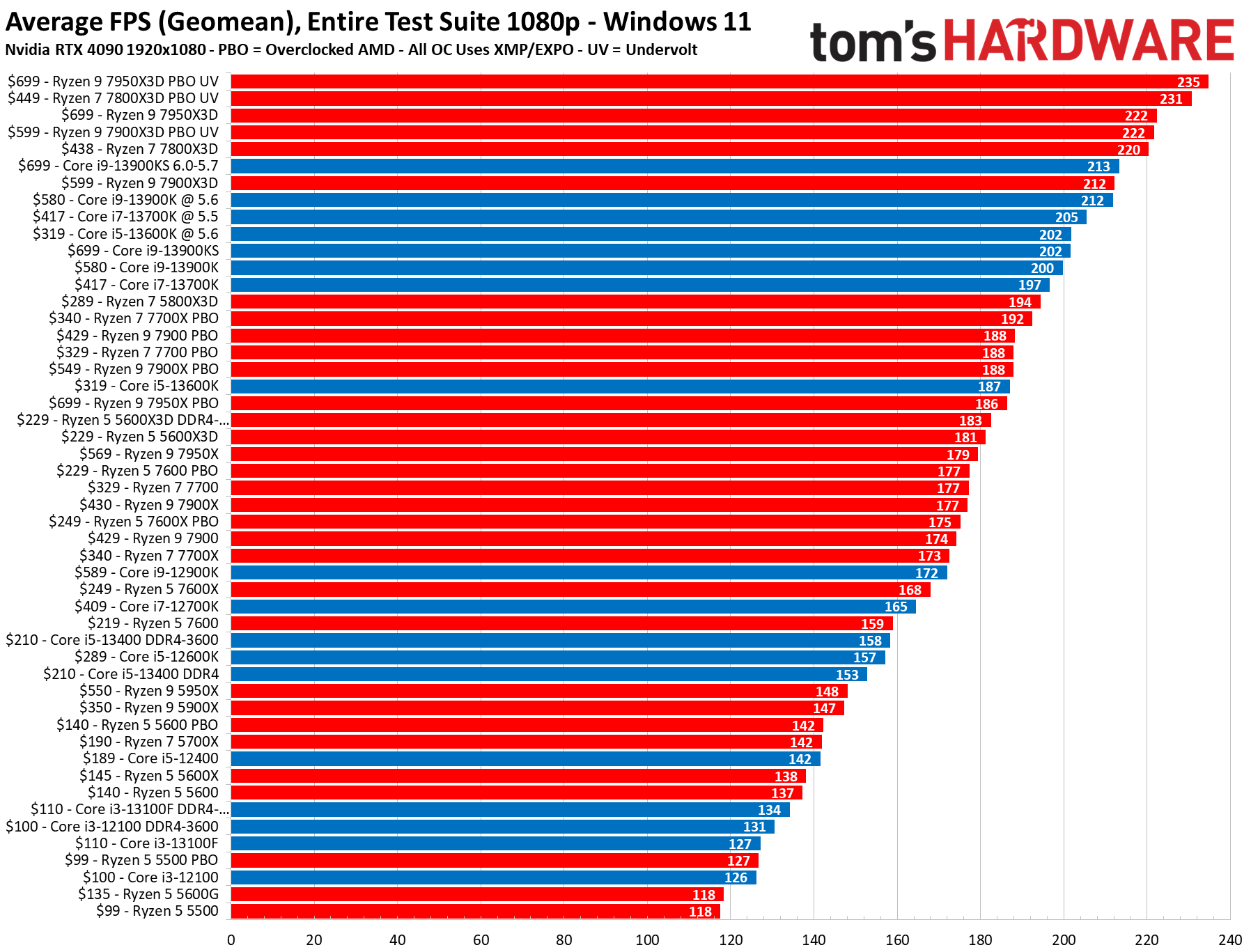
Intel Best Tigt Neue CPU Architektur Nova Lake F R 2026 Intel 18A Intel Bestatigt Neue Cpu Architektur Nova Lake Fur Intel Bestatigt Neue Cpu Architektur Nova Lake Fur. CPU Hierarchy 2026 List Of Processor Tiers For Gaming PC Builders DSC08459 Scaled . Cpu Benchmarks And Hierarchy Processor Ranking Charts Trendradars . CPU Benchmarks And Hierarchy 2024 CPU Rankings Tom S Hardware . 5 Layers Gaming CPU Hierarchy Charts Intel And AMD MiniTool Cpu Hierarchy 1
CPU Benchmarks And Hierarchy 2021 Intel And AMD Processor Rankings And . 2026 CPU Upgrade Timing Cpu Upgrade Cycle 2026 How Long To Wait Banner V1.webp. CPU Hierarchy 2026 List Of Processor Tiers For Gaming PC Builders Best CPU For RX 6950 XT 768x512 . CPU Benchmarks And Hierarchy 2021 Intel And AMD Processor Rankings And . 2022 2024 GPU Hiearchy GPU Benchmarks Hierarchy 2026 Graphics Card


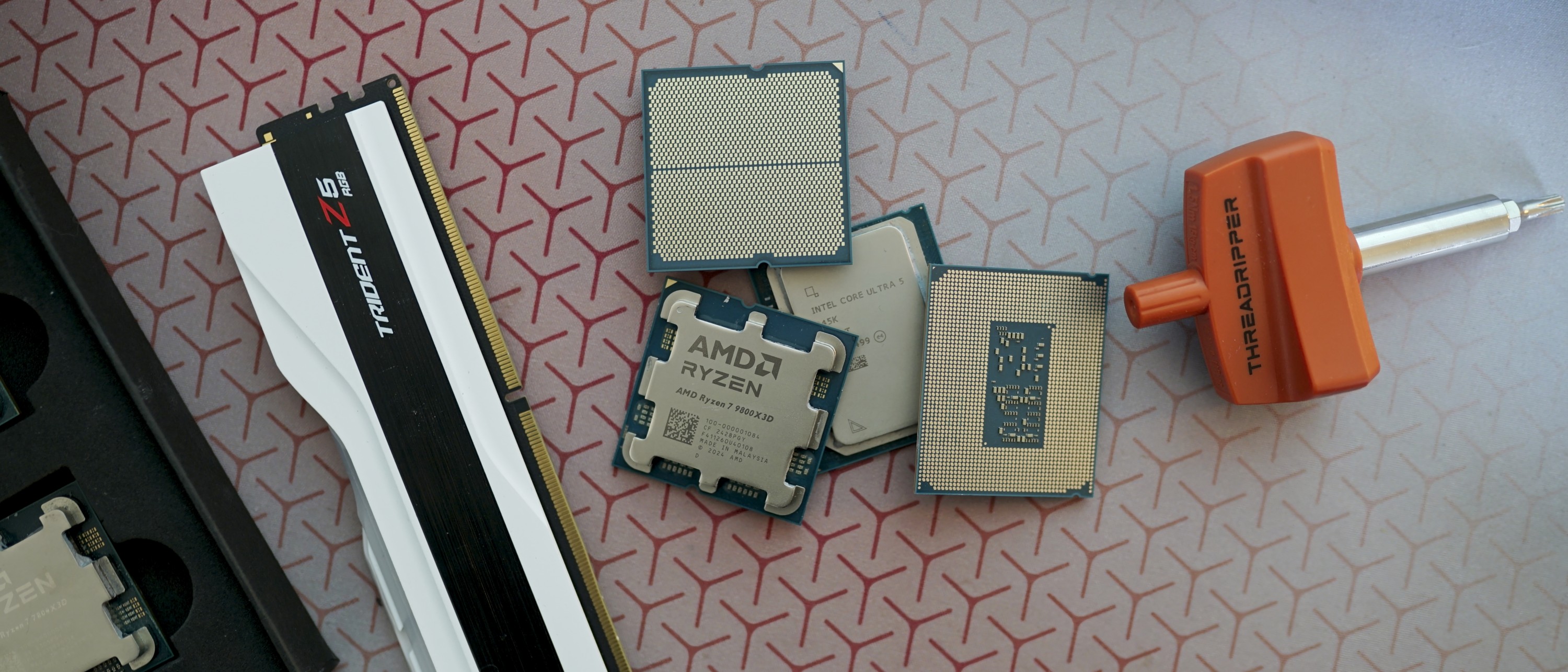
The GPU Benchmarks Hierarchy 2026 Ten Years Of Graphics 2166 80 . 2022 2024 GPU Hiearchy GPU Benchmarks Hierarchy 2026 Graphics Card . Tom S Hardware Guide Video Card Hierarchy At Jennifer Pardue Blog Updated Toms Hardware Gpu Hierarchy Chart For 1080p 1440p V0 . Tom S Hardware Guide Cpu Hierarchy At Mike Lyles Blog Updated Toms Hardware Gpu Hierarchy Chart For 1080p 1440p V0 . AMD FSR Redstone Press Roundtable CES 2026 Transcript Company Speaks
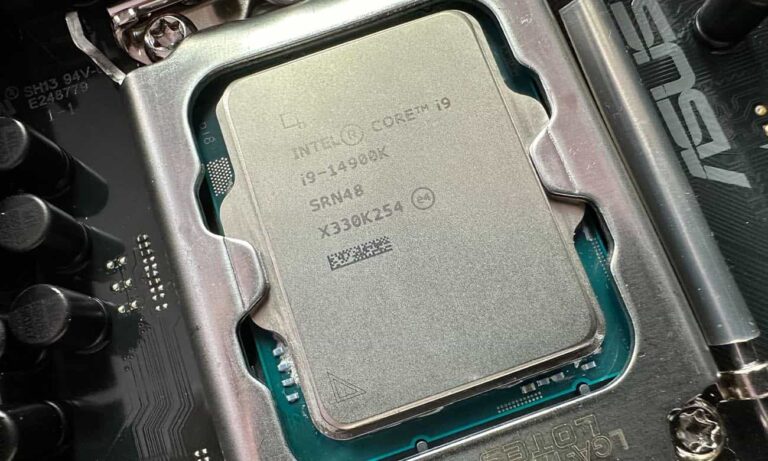

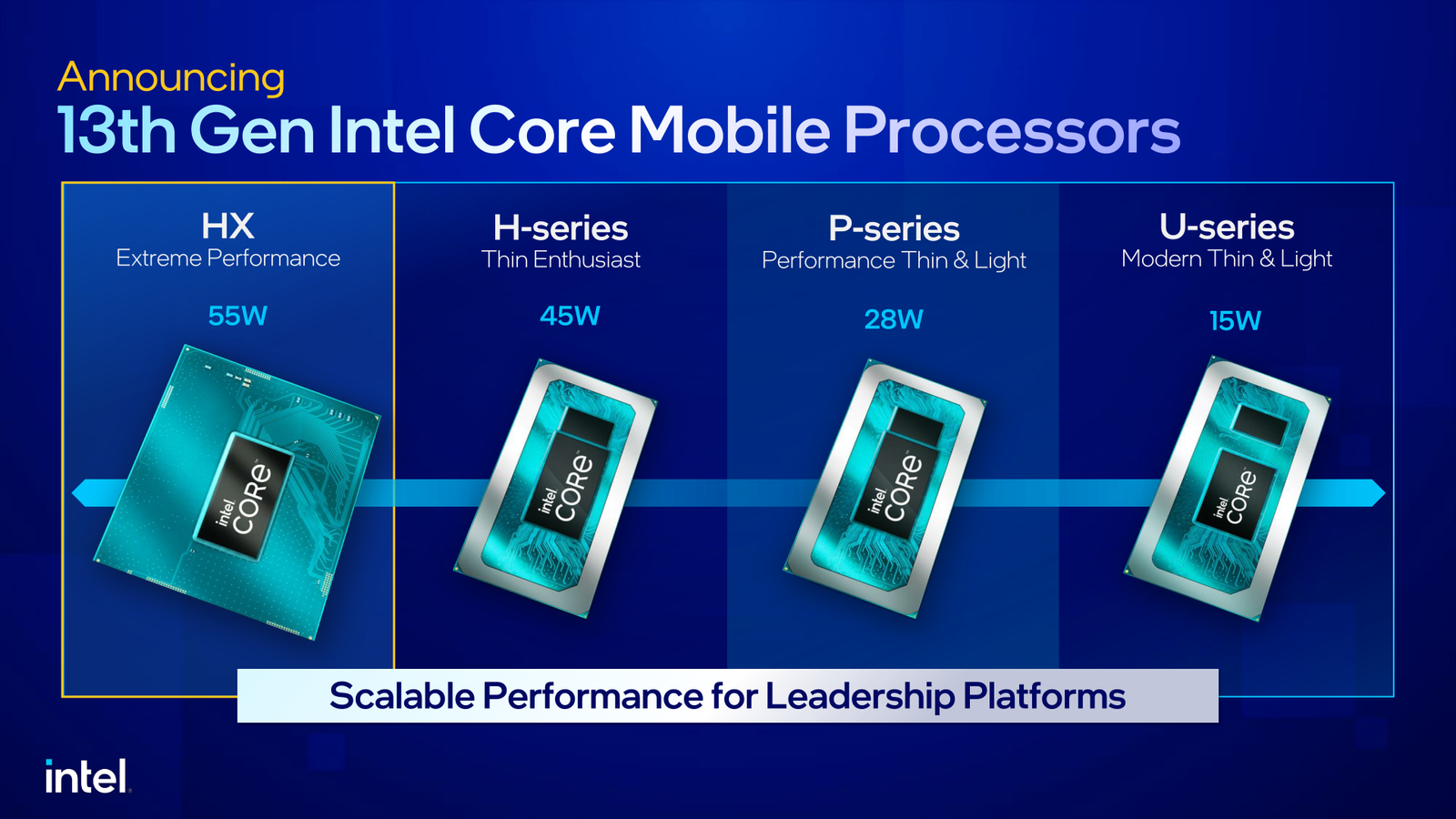

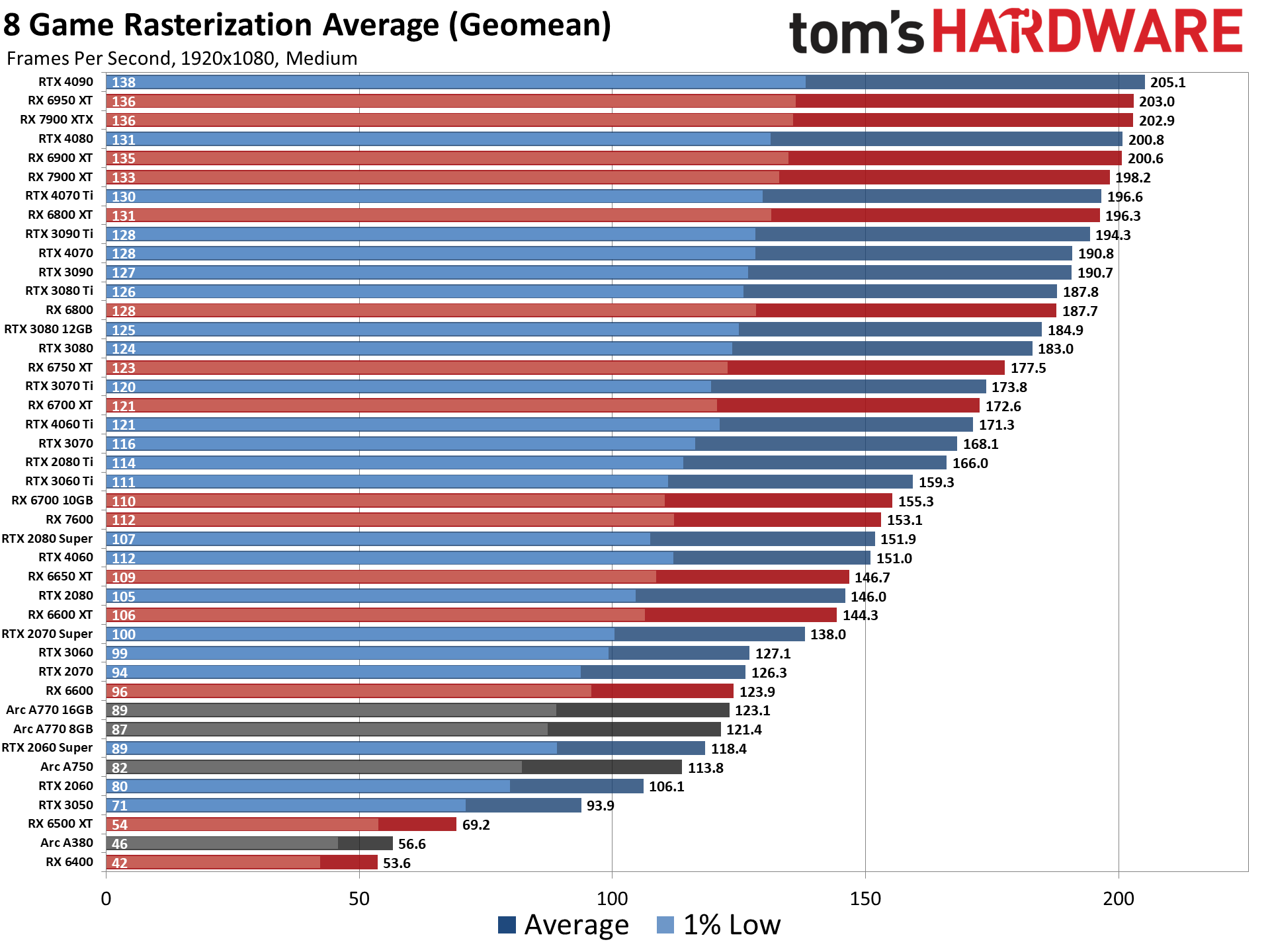
CPU Hierarchy 2026 List Of Processor Tiers For Gaming PC Builders 14900K CPU WePC Socket Min 768x461 . Intel AMD Laptop CPU Roadmap Leak Arrow Lake HX In 2025 Refresh In AMD Laptop CPU Roadmap CLEVO Leak Fire Range Strix Halo Strix Point Krackan . Cpu Hierarchy Unveiled The Ultimate Processor Guide TPA10 Cpu Hierarchy . CPU Hierarchy 2023 PC Processors Tier List CPU Ninja I5 13600k In A 12 Game Average 600x336 . Vital Features Of GPU BENCHMARKS HIERARCHY 2026