Gallery



Much Awaited Games Set To Launch In 2026 Best Gaming PC Builds For 2026 How Become A Gamer 2026 MZR7SM2DCRFJBNSCASNRTTPGOYOQMFZ6SMGGFKBV PS5 Players Getting 2026 Packed With Highly Anticipated PS5 2026 PS5 2026 Top Most Of 2026 What Watch Out TVN 2026 All Video Releasing 2026 Game Release Dates Post Feature Image 2026 Milestone Anniversaries List CUBED3 2026 Insights Screenshot Art 2026 The Exciting 2026 Eurogamer Net 2026 2026 Wccftech S Multiplayer 2026 New Online Worlds 2026 Scaled 2026 No GPU Build And Play Without Graphics Card 2025 2026 2025 2026 Schedule Everything Coming This Year 2026 2026 Big 2026 Ultimate Guide That Will Shape 2026 PZM4M9CCDTCF8KSQRSHSW6.




Xbox Games Showcase 2026 Followed By Gears Of War E Day Direct Airs 2026 Doublefeature 503E797DFA7152FF8C4E 2026 503E797DFA7152FF8C4E Upcoming 2026 Full Video Game Release Calendar Beebom 2026 Schedule 2026 Fallout New Vegas Remake Kommt Xgp 2026 The First Gaming 2026 Has Been Revealed And It S As Soon Large Winter Olympics 2026 Dates Cities Sports What Explora 2026 Blends MILANAC2C299S Fashion Forward Urban Energy With Alpine Legacy Cortina DAC2C299AMPEZZO 1765784263258 2026 MILANC2C299S DC2C299AMPEZZO 1765784263258 Coming To Nintendo Switch In 2026 News HP NSWITCH2 Upcominggames 2026 GB En NSWITCH2 2026 2025 All About Hardware But 2026 Is Going OTG2WBAYZRTBIG75CVZPG8 LEAKED Prime Next Generation Console For 2026 Developer Maxresdefault Biggest Triple A That Will Be Released 2026 2026 Might Steal Gta Vis Thunder 2026 2026 Ones Watch Part Quest Daily 2026 Pt 2026 PC Gamer February 2026 69540ee346ae4 519060B 69540ee346ae4 519060B 2026 Travel Packages Photos Cappadociaconcepttour Com 2026 Design Elements 2026.




Sounders Confirm They Ll Play All 2026 Home Games At Lumen Depth Chart 2026 Olympic Winter Entertainment Ideas D0CB1B22363EF85E913EF9168075D7B38FBB4FA9 Healthy Athletes 2026 Special Olympics USA Where And When Are The 2026 Location Date Tickets Image Milan Cortina 2026 Track Concerns Team GB Medal Skysports 6820780 2026 Will Be Year Of Linux Gamer 0B5BAD3131DB27D24C4735C1DE718335336B11A21AF78E7FE3B05D88432ACF0C Most Anticipated Video 2026 Page 4c8c67aeaa544ecf18855037c18466b9 2026 9cd7df98 C7BE 4379 9340 FE5311EB26AC Aspect Ratio Default 9cd7df98 C7BE 4379 9340 FE5311EB26AC Coming Out In 2026 Titles To Watch 2026 X 2026 Schedule Releasing 2026.
Key highlights
The story
Ever feel like you are missing out on the vast, exciting world of gaming because life keeps getting in the way? Perhaps you remember the golden days of gaming and want to jump back in, or maybe you are completely new, looking for a relaxing escape or a new way to connect. Many adults, just like you, juggle jobs, families, and endless responsibilities, yet still crave the fun, skill-building, and social experiences gaming offers. In fact, recent data shows that a staggering 87 percent of US adults play video games regularly, dedicating an average of over 10 hours per week to their digital adventures. But how do you carve out that time, choose the right gear, or even find games that truly fit your limited schedule without feeling overwhelmed by the hype?
This comprehensive guide is designed specifically for you. We understand that being a gamer in 2026 is not just about having the latest console or graphics card; it is about smart choices, efficient play, and finding genuine enjoyment. We will demystify the process of how to be a gamer, offering practical, no-nonsense advice to help you navigate setup issues, optimize performance, discover hidden gem games, and connect with like-minded individuals. Forget the corporate jargon and endless sales pitches; here you will find real-world solutions for real-life gamers. Let us dive in and transform your gaming aspirations into a fulfilling reality.
What Exactly Does It Mean to Be a Gamer Today?
The definition of a "gamer" has evolved dramatically. It is no longer about fitting a stereotype; it is about engaging with interactive entertainment in a way that suits your life. Today, a gamer could be someone enjoying a quick puzzle game on their commute, a parent unwinding with a cooperative crafting game after the kids are asleep, or a group of friends strategizing in a cross-play title. Modern gaming embraces diversity in platforms, genres, and social interaction. With mobile gaming leading in accessibility and social features, and PC and console cross-play becoming more common, being a gamer simply means finding joy and challenge in digital worlds, regardless of your hardware or how many hours you clock in. It is about community, relaxation, and skill-building on your own terms.
How Do I Start Gaming Without Breaking the Bank?
Worried about the cost of entry? Do not be. You do not need a high-end PC or the newest console to start. Many busy adults prioritize value for money, and there are excellent budget-friendly options. Start with what you already own: your smartphone or a basic computer. Mobile gaming offers an immense library of free-to-play (F2P) titles across every genre. If you have a PC, platforms like Steam offer thousands of affordable indie games, and many older AAA titles are often heavily discounted. Cloud gaming services, like Xbox Cloud Gaming or NVIDIA GeForce NOW, provide access to extensive game libraries for a monthly subscription, letting you stream games without owning powerful hardware. Look for sales events, free game giveaways from storefronts, and consider pre-owned consoles if a dedicated system is your goal. Smart shopping is your best friend when learning how to be a gamer efficiently.
What Gear Do I Really Need for a Great Gaming Experience?
The "essential" gear for gaming is far simpler than many assume. For most casual or busy gamers, the priority is comfort and functionality, not bleeding-edge specs. Here is a breakdown:
Platform: Start with your existing smartphone, tablet, or PC. If upgrading, consider a budget-friendly console (like a Nintendo Switch Lite for portability and family-friendly games) or a last-gen console for a vast, affordable game library. For PC, focus on a decent graphics card (GPU), enough RAM (16GB is a sweet spot), and an SSD for faster loading times.
Controller/Mouse & Keyboard: Use what feels natural. A comfortable controller is great for many games, especially on consoles or PC. For precision, a gaming mouse and mechanical keyboard are ideal for PC. Ergonomics are key to long-term enjoyment.
Headset: A good headset with a clear microphone is crucial for social gaming. It enhances immersion and allows for clear communication with teammates or friends on platforms like Discord, a staple for modern social play. You do not need to spend hundreds; many affordable options offer excellent sound quality.
Monitor/TV: Your existing screen is probably fine to start. If upgrading, consider refresh rate (60Hz minimum, 120Hz for smoother play) and response time. For busy adults, a versatile monitor that doubles for work is a smart investment.
Remember, value for money means prioritizing upgrades that address specific pain points, not just chasing the latest trend. Many gamers find their existing setup perfectly adequate to enjoy the majority of titles available.
How Can I Find Time for Gaming with a Busy Life?
Balancing gaming with jobs, families, and other responsibilities is a common challenge for the average gamer, whose age is around 36. It is all about strategic time management. Think of gaming like any other hobby or workout: schedule it. Even 30-minute to one-hour slots a few times a week can be incredibly fulfilling. Here are some strategies:
Scheduled Sessions: Block out specific times in your calendar. This helps treat gaming as a legitimate recreational activity, not just an afterthought.
Lunch Break Gaming: If your job allows, a quick mobile game or a few rounds of a casual PC game during your lunch break can be a great mental reset.
Night Owl or Early Bird: Find pockets of quiet time, perhaps after the kids are asleep or before everyone wakes up, for uninterrupted play.
Co-op with Family: Make gaming a family activity. Many games are designed for shared fun, turning screen time into bonding time.
Games with Quick Sessions: Prioritize games that allow you to jump in and out easily, or those with clear objectives that can be completed in short bursts. Rogue-likes, puzzle games, and many mobile titles are perfect for this.
The goal is relaxation and fun, not feeling pressured. Be realistic about your available time, and communicate your gaming schedule with your family to ensure everyone is on the same page.
Where Can I Find Games That Fit My Style and Schedule?
Discovering the right games is crucial for a satisfying experience, especially for those with limited time. The gaming landscape in 2026 is incredibly diverse. Forget the hype-driven AAA titles if they do not fit your lifestyle. Here is how to find your perfect match:
Identify Your Mood: Are you looking for relaxation, intense competition, a captivating story, or social interaction? This immediately narrows down genres.
Explore Genres:
For Relaxation/Unwinding: Cozy games (Animal Crossing, Stardew Valley), puzzle games (Portal, The Witness), or narrative-driven walking simulators.
For Social Play/Connection: Cooperative titles (Helldivers 2, Phasmophobia), party games (Jackbox Games), or MMOs (Final Fantasy XIV) if you have more time.
For Skill-Building/Challenge: Strategy games (Civilization), action-RPGs (Diablo-like), or competitive multiplayer (Apex Legends, Overwatch 2) for focused bursts.
Leverage Recommendations: Use personalized recommendation engines on platforms like Steam, Xbox, PlayStation, or Switch eShop. Gaming review sites and YouTube channels can also guide you, focusing on gameplay rather than just graphics.
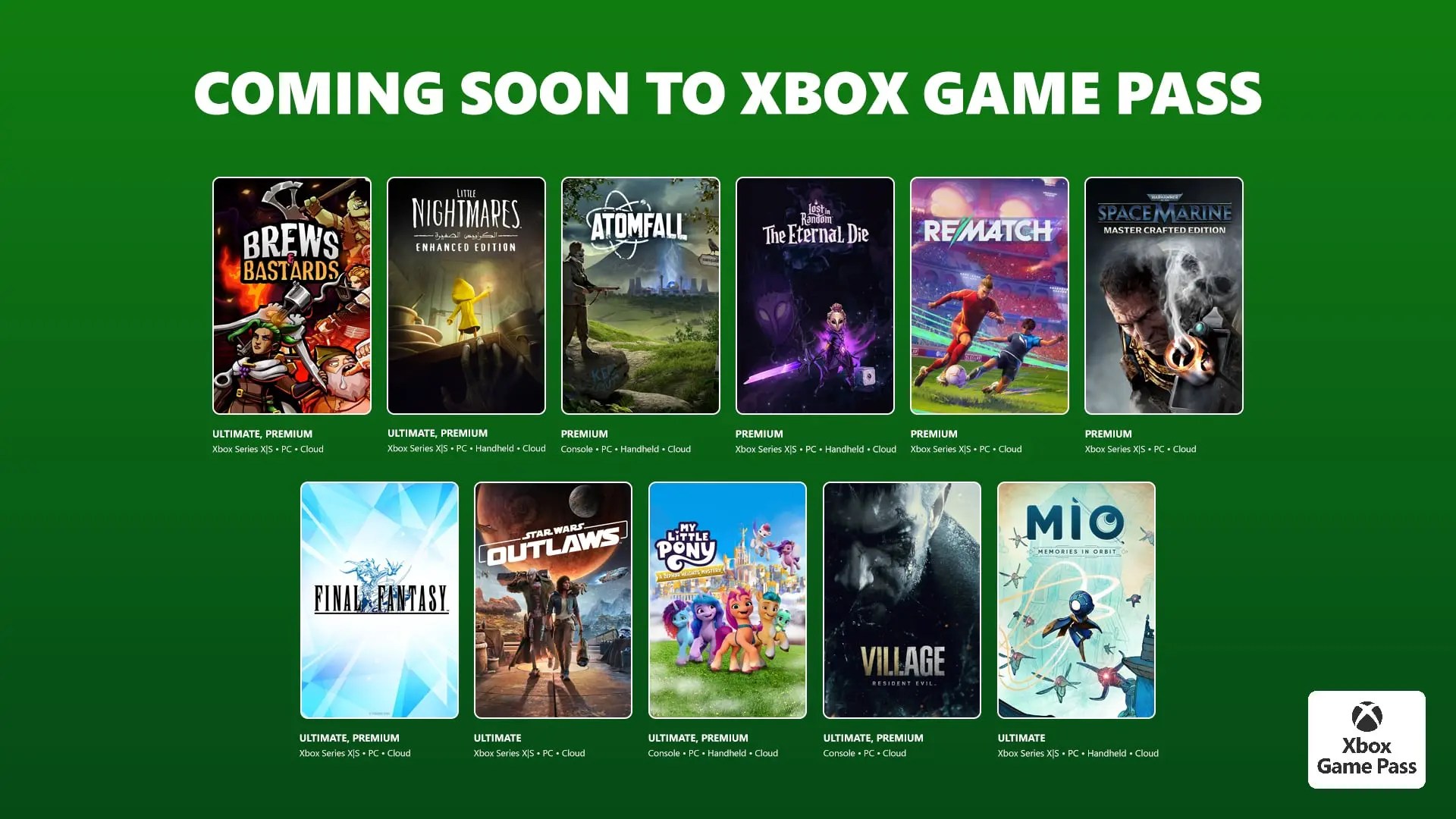
Consider Free-to-Play (F2P) and Game Pass Services: These are excellent ways to try many games without upfront costs. Services like Xbox Game Pass offer a vast library for a monthly fee, letting you experiment freely.
Indie Games: Do not overlook the vibrant indie scene. Many independent developers create incredibly innovative, high-quality games that offer deep experiences in shorter playtimes or unique styles that appeal to a wider audience.
Remember, the best game is the one you enjoy most, not necessarily the most popular one. With social gaming being a major trend, finding games that allow you to connect with friends is also a big plus.
How Do I Connect with Other Gamers and Build a Community?
One of the most rewarding aspects of gaming in 2026 is the robust social element. US gaming trends show a strong shift towards social play, whether it is cooperative adventures or competitive team-ups. Building a community enhances your experience, offers support, and provides new friends. Here is how to find your tribe:
Discord Servers: This is the go-to platform for voice and text chat. Look for servers dedicated to specific games you play, content creators you follow, or general communities for adult gamers. Many allow you to find "looking for group" (LFG) channels.
In-Game Guilds/Clans/Teams: Many multiplayer games have built-in social structures. Joining one can instantly connect you with regular playmates and a supportive group.
Reddit & Forums: Subreddits for individual games or gaming topics are excellent places to find discussion, tips, and fellow enthusiasts. Look for local gaming groups on Facebook or Meetup too.
Streaming Platforms (Twitch, YouTube): Engaging with streamers you enjoy can lead to joining their communities. Many streamers have active Discord servers and foster a welcoming environment.
Local Meetups (Less Common but Valuable): While primarily online, some cities have local gaming meetups or esports bars where you can connect face-to-face.
The key is to be active, friendly, and respectful. Contribute to discussions, offer help, and be open to playing with new people. You will quickly discover a vast network of like-minded individuals.
What Are the Best Ways to Keep My Gaming Setup Running Smoothly?
Nothing sours a gaming session faster than technical hitches. Keeping your setup optimized prevents frustration and ensures you get the most out of your hardware. This is especially important for PC gamers, but console users also benefit from some maintenance tips:
Update Drivers Regularly: For PC gamers, graphics card drivers (NVIDIA, AMD), chipset drivers, and sound drivers are critical. These updates often bring performance improvements and bug fixes. Console firmware updates are also essential.
Manage Background Processes: Before launching a demanding game on PC, close unnecessary applications running in the background. Things like web browsers, streaming apps, or even system utilities can hog precious RAM and CPU cycles.
Monitor Temperatures: Overheating can cause performance throttling and system instability. Ensure your PC has adequate cooling (clean fans, good airflow) and that your console is in a well-ventilated area, not tucked away in a cramped cabinet.
Keep Storage Clean: Full hard drives can slow down your system. Regularly uninstall games you no longer play and delete unnecessary files. An SSD (Solid State Drive) is a huge upgrade for PC load times.
Internet Connection Check: For online gaming, a stable, fast internet connection is paramount. Use a wired Ethernet connection instead of Wi-Fi if possible to reduce latency and improve reliability. Run speed tests regularly.
Reinstall When Needed: Sometimes, a fresh install of a problematic game or even your operating system can resolve persistent issues, offering a clean slate for optimal performance.
Regular, simple maintenance can make a huge difference in your gaming enjoyment and longevity of your equipment.
How Can I Stay Updated on New Games and Trends Without Feeling Overwhelmed?
The gaming industry moves fast, with new releases and trends constantly emerging. For busy adults, filtering out the noise and hype is essential to stay informed without feeling overwhelmed. The average gamer wants to be current but not bombarded. Here is a practical approach:
Curate Your Sources: Instead of trying to follow every gaming news outlet, pick a few trusted websites, YouTube channels, or podcasts that align with your interests. Focus on channels known for balanced reviews and practical insights rather than pure hype.
Follow Specific Developers/Publishers: If you enjoy games from certain studios, follow their official channels. This ensures you hear about relevant announcements directly.
Game Pass / Subscription Services: Services like Xbox Game Pass or PlayStation Plus Extra are great ways to discover new games. They often highlight upcoming titles and additions to their library, giving you a curated list of what's new and noteworthy.
Social Media (with caution): Follow specific game accounts or trusted gaming journalists on platforms like X (formerly Twitter) or Reddit. Be selective to avoid endless feeds of irrelevant content. Engage in specific subreddits for games you already enjoy to catch relevant news.
Discord Communities: As mentioned, joining Discord servers for games you play or general gaming topics can keep you casually informed through community discussions without actively searching for news.
Remember, you do not need to play every new game. Focus on what genuinely excites you and fits your schedule and budget. The goal is enjoyment, not completionism of the entire gaming catalog.
Is It Possible to Improve My Gaming Skills Efficiently?
Absolutely! Whether you are aiming to top leaderboards or simply want to feel more competent in your favorite single-player adventure, skill improvement is achievable for any gamer. It is not just for esports pros; many adults enjoy the mental challenge and satisfaction of honing their abilities. With 87% of US gamers playing regularly, many are looking to maximize their fun by getting better.
Practice Consistently: Even short, focused practice sessions are more effective than sporadic long ones. Consistency builds muscle memory and strategic thinking.
Learn from the Best: Watch pro players or skilled streamers on Twitch and YouTube. Pay attention to their strategies, decision-making, and movement. Many content creators also offer "how-to" guides for specific games.
Understand Game Mechanics: Do not just play; understand *why* things happen. Read up on game wikis, guides, and tutorials. Knowing the nuances of a game is half the battle.
Analyze Your Gameplay: If your platform allows, record your play sessions. Watching yourself back can highlight mistakes you did not notice in the heat of the moment. Identify areas for improvement.
Adjust Settings: Experiment with control sensitivities, keybindings, and display settings. Optimizing these for your comfort and reaction time can significantly impact performance.
Play with Better Players: If possible, play with friends or community members who are more skilled than you. Learning from direct interaction and challenging yourself against tougher opponents is invaluable.
Approach skill improvement with patience and a positive mindset. Celebrate small victories, and remember that the journey of getting better is part of the fun.
How Do I Manage In-Game Purchases and Avoid Overspending?
In-game purchases (microtransactions, DLC, battle passes) are a ubiquitous part of the 2026 gaming landscape. While they can enhance your experience, they can also become a financial pitfall. Savvy gamers prioritize value for money and avoid impulsive buys. Here is how to manage them effectively:
Set a Budget: Determine a monthly or annual budget specifically for in-game purchases and stick to it. Treat it like any other entertainment expense.
Understand What You Are Buying:
Cosmetics: Skins, emotes, and other visual items do not affect gameplay. Purchase them only if you genuinely love the look and feel they provide.
Pay-to-Win (P2W): Be very cautious with items that offer a competitive advantage for real money. These can quickly lead to an unfair experience and feel exploitative.
DLC/Expansions: These often provide substantial new content. Evaluate if the added hours of gameplay and story are worth the price, similar to buying a new game.
Avoid Impulse Buys: Give yourself a "cooling-off" period before making a purchase. Ask yourself if you will still want it tomorrow or next week. FOMO (Fear Of Missing Out) is a common tactic, so be aware.
Utilize Free Rewards: Many games offer in-game currency or items through gameplay, daily logins, or event participation. Maximize these free rewards before considering paid options.
Review Your Spending: Regularly check your purchase history on gaming platforms or bank statements. This helps you stay accountable and adjust your budget if needed.
Smart spending ensures that in-game purchases enhance your enjoyment without creating financial stress. Focus on the core fun of the game rather than collecting every digital item.
***
Conclusion: Your Gaming Journey Starts Now
Embarking on or returning to the world of gaming in 2026 is an incredibly rewarding experience, especially for busy adults looking for relaxation, social connection, and skill development. We have covered everything from setting up your budget-friendly station and finding games that respect your time, to connecting with vibrant communities and keeping your setup running smoothly. Remember, being a gamer is about embracing a hobby that brings you joy and mental stimulation on your own terms. It is about smart choices, mindful play, and finding your unique place within the vast, welcoming universe of interactive entertainment. Do not let complexity or hype deter you; the tools and knowledge are now at your fingertips to truly master your play. What is your biggest gaming challenge? Comment below!
FAQ Section
What is the average age of a gamer in the US?
The average age of a gamer in the US is approximately 36 years old, with a significant portion being adults balancing gaming with work and family responsibilities. Gaming is a mainstream hobby enjoyed across all age groups.
How many hours a week do US gamers play on average?
US gamers play an average of over 10 hours per week, according to recent statistics. This varies significantly based on individual schedules and preferences, but highlights gaming's role as a consistent form of entertainment.
Is mobile gaming considered real gaming?
Absolutely. Mobile gaming is a dominant force in the industry, offering a massive array of experiences from casual puzzles to complex RPGs and competitive esports. It is a legitimate and often primary form of gaming for millions, especially busy adults due to its accessibility and convenience.
What are some popular social gaming trends in 2026?
Popular social gaming trends in 2026 include cross-platform play, cooperative PVE (Player vs Environment) games, cozy games designed for shared relaxation, and the widespread use of voice chat platforms like Discord for community building. Free-to-play titles with strong social elements also remain highly popular.
How can I avoid gaming burnout when balancing life?
To avoid gaming burnout, set clear boundaries for your play time, ensure you are getting enough sleep and exercise, and vary your gaming experiences. Do not feel obligated to play games you are not enjoying. Taking breaks and engaging in other hobbies helps keep gaming fresh and enjoyable, maintaining a healthy balance.
Are gaming subscriptions like Xbox Game Pass worth it for casual gamers?
Yes, gaming subscriptions like Xbox Game Pass, PlayStation Plus Extra, or Nintendo Switch Online are often highly worth it for casual or busy gamers. They offer access to a vast library of games for a single monthly fee, allowing you to try many titles without large upfront costs, discover new favorites, and play online with friends, providing excellent value for money.