Gallery


Top Most Anticipated Games Of 2026 What To Watch Out For TVN IN 2026 Gaming Releases Are We Anticipating This Year Blogs 2026 Griefing It Means Why Happens And How Stop Airtable 69c261d38e635 Igaming 2026 Trends Shaping The Next Wave According Pronet 2026 Jadwal Rilis Game 2026 Dari GTA Hingga Nioh Tahun Paling Sibuk GAMES2026 Video 2026 Page 4c8c67aeaa544ecf18855037c18466b9 April Calendar 2026 New Events Must Play Titles Full Release Dates Main Here BIG Coming 2026 2026 You Media 2026 S Store Post RMG Era SOC 100 Best Budget Setup 2026 Guide Beginners Friendly 2026 Ensure Secure 2026 Xbox Showcase 2026 Trailers TAFT Independent 2026 Feature Image 2026.



CES 2026 Novit PC Gaming E AI Di NVIDIA AMD Intel 2026 Video Games 2026 Ones To Watch Part Quest Daily 2026 Pt 2026 In 2026 What S Store The Post RMG Era Tech Outlook 2026 G3 2026 G3 2026 Upgrades Worth Saving For Gamer Org A Sleek Youtube Thumbnail Design Featuri X Cexouwqfscfftqcguzjq Stuq 8QKSTM Y2QCCIXX8Q 8QKSTM Y2QCCIXX8Q Is Griefer G2A News 2deb2b63d1eb43d5a04fd2c8 Best Mice Of 2026 Precision Performance Keyboards 2026 Game Release Dates Calendar Shacknews 2026 Feature Image 2026 Isps 2026 GG Medium Ps 2026 8b365c02c1 2026 8b365c02c1 2026 Headsets 2026 Phones 2026 Main 2026 February 2026 Mobile Releases Top Titles Android And IOS CONTENTE5C60E3520004B80ADD6BE27025A06E4 Gpus 2026 Graphics Cards Ranked Banner.




Top Gaming Events Of 2026 Where The Future Game Development Is Main 2026 Banner Original 2026 Tahun 2026 Gambar PNG File Vektor Dan PSD Unduh Gratis Di Pngtree Fun Flat Colorful 2026 Theme Illustration With CONTROLLER2026 Controller Image 18378238 2026 CONTROLLER2026 18378238 GDC Festival Entwicklerkonferenz Lockt Mit All Access 2026 Relaunch 230925 2026 230925 Full Board 2026 Convention Report 2026 Griefing Vs Grieving Don T Confuse These Two Words Or 2026 Card Release Schedule Gamer Cg 2026 Releases 2026 Enjoyment 123 What In Sandbox Games Definition And Examples Samplerz Com Example Infographic Hardware 4K 2026 Welche GPU Reicht Wirklich Gigamaus De 4K 2026 4K 2026 Content Creation Screen Recording Ultimate 2026 Guide 2026 BIGGEST NEW Coming 2026 Crazy NEXT GEN 4K Graphics Maxresdefault.
Key highlights
The story
Ever settled down after a long day, finally ready to unwind with your favorite game, only to have your experience ruined by someone seemingly intent on making your life miserable? You're not alone. For the average US gamer, juggling work, family, and life's demands, gaming time is a precious commodity. It's a space for relaxation, skill-building, social connection, and pure fun. Yet, an unfortunate reality in online worlds is encountering players who engage in what is known as griefing gaming – deliberately disrupting others' enjoyment for their own perverse satisfaction. This isn't just about losing a match; it's about losing your valuable time and enthusiasm. Recent US gaming statistics show that 87% of gamers play regularly, often dedicating 10+ hours a week. A significant portion of this time is spent in social or multiplayer environments, highlighting how crucial a positive community experience is. When one bad actor can spoil the fun for many, understanding and effectively combating griefing becomes essential. This comprehensive guide is designed for you, the busy gamer, to navigate the murky waters of online toxicity, providing clear answers, practical strategies, and actionable advice to protect your peace and enjoyment in the games you love.
We'll dive deep into what griefing gaming truly means, explore the motivations behind it, and equip you with the knowledge to identify different forms of griefing. More importantly, we'll give you the tools and insights needed to report these behaviors effectively, utilize in-game resources, and foster a more positive gaming environment. From understanding game mechanics used for griefing to leveraging community support, this article will empower you to minimize frustration and maximize your fun. Let's reclaim our gaming spaces from those who seek to destroy them, one informed gamer at a time.
What Exactly Is Griefing in Gaming?
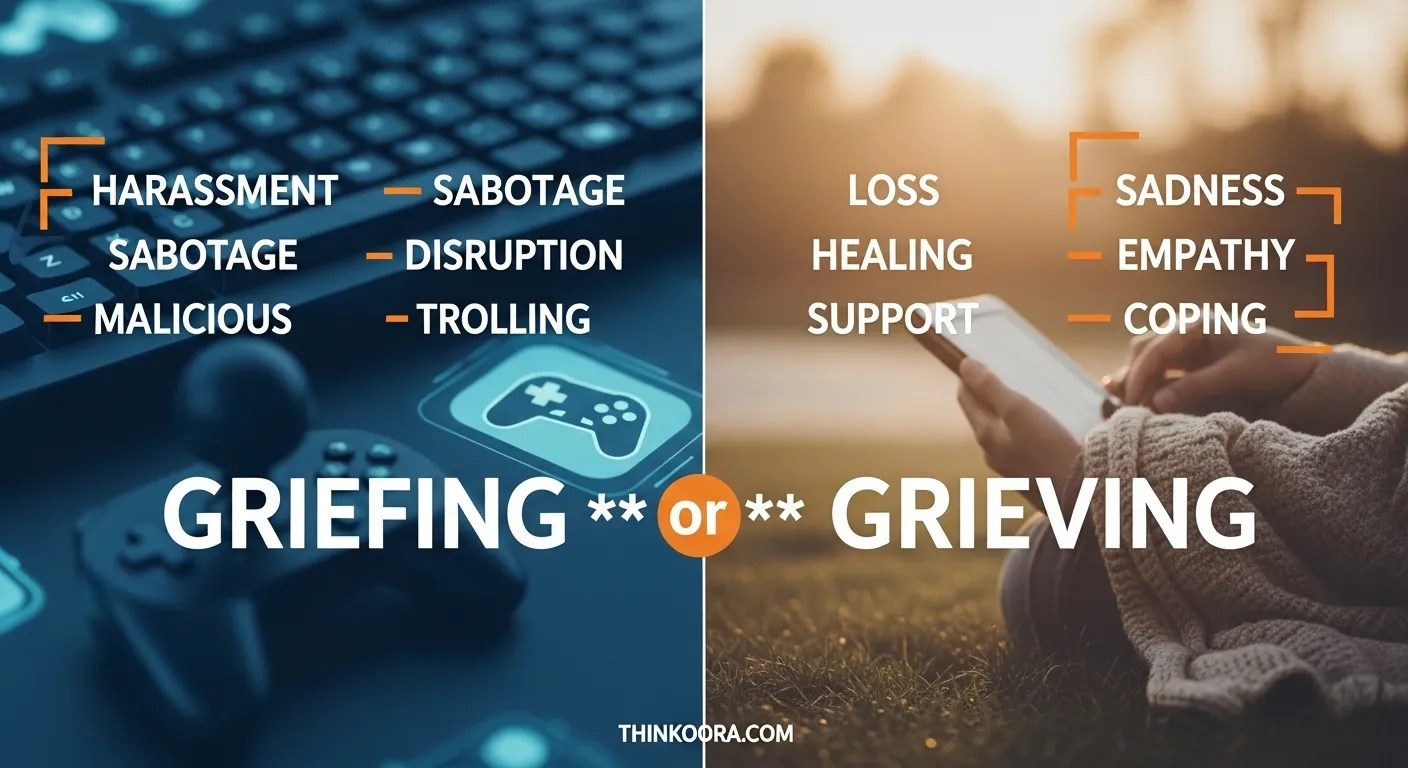
Griefing in gaming is the intentional act of annoying, harassing, or deliberately disrupting another player's experience purely for the griefer's own amusement or satisfaction, without typically gaining an in-game advantage. It goes beyond competitive play or friendly banter, focusing instead on malicious intent to cause frustration or distress. Think of it as sabotaging someone's fun without any direct benefit to your own score or progress. This behavior often targets unsuspecting players who just want to enjoy their limited gaming time.
It's crucial to distinguish griefing from genuine mistakes or less-skilled play. A player accidentally shooting a teammate is not griefing; a player repeatedly and intentionally doing so to get them killed or impede their progress, is. The key lies in the intent to cause harm or nuisance. For many gamers balancing a full life, such disruptions are not just irritating; they can actively discourage them from engaging in multiplayer games, diminishing the social aspect that 60% of US gamers value deeply.
What Are the Common Types of Griefing I Might Encounter?
Griefing manifests in many forms across different game genres. Recognizing these patterns is the first step in addressing them effectively. Here are some common types:
- Team Killing or Sabotage: In team-based games, this involves intentionally killing teammates, destroying their builds, blocking their paths, or stealing vital resources to hinder their progress rather than helping the team.
- Spawn Camping: Repeatedly killing or ambushing players as soon as they respawn, preventing them from participating in the game. This is common in shooters and open-world PvP games.
- Resource Destruction/Theft: In survival or crafting games, this means destroying another player's base, stealing their hard-earned resources, or intentionally depleting shared community resources.
- Chat Harassment/Spam: Using in-game chat for excessive insults, racial slurs, doxing threats, or overwhelming the chat with irrelevant messages to annoy players or moderators. This is a common and particularly aggressive form of griefing.
- Exploiting Glitches/Bugs: Using known game flaws in unintended ways to annoy others, such as getting into inaccessible areas to attack players or block objectives.
- AFK (Away From Keyboard) Abuse: Deliberately going AFK in competitive matches to force a loss for the team, or staying AFK in cooperative modes to leech rewards without contributing.
- Voice Chat Abuse: Blasting loud music, making offensive noises, or constantly yelling into voice chat to disrupt communication and annoy teammates or opponents.
- Stream Sniping: Watching a streamer's live broadcast to gain unfair information about their location or strategy in real-time, then using it against them in-game.
Each of these forms is designed to erode the fun and fair play, turning an enjoyable experience into a frustrating ordeal for the victim. For gamers who enjoy titles like Palworld, Among Us, or even competitive esports titles, understanding these tactics can help you spot a griefer before they ruin your session.
Why Do Players Engage in Griefing Behavior?
The motivations behind griefing are often complex, stemming from a mix of psychological factors and the unique environment of online gaming. Understanding the 'why' can sometimes help in depersonalizing the attack and responding more effectively, rather than getting caught in their trap.
One primary reason is a desire for attention or a reaction. Griefers thrive on the frustration, anger, or despair they elicit from their victims. For them, a strong reaction validates their efforts. Another common motivator is boredom; some players, having mastered a game or grown tired of conventional play, turn to griefing for a new form of