Discover the incredible world of AI powered travel maps and how they are set to revolutionize your journeys. By 2026, intelligent mapping technology offers unparalleled personalization, real-time updates, and immersive experiences, making every trip seamless and memorable. Imagine dynamic routes adapting to live traffic and weather, augmented reality overlays guiding you through unfamiliar cities, and voice-activated interfaces that anticipate your needs. This next generation of smart navigation apps promises to transform how we explore, offering custom itineraries and sustainable options. These advancements ensure you discover hidden gems and navigate with unprecedented ease. Explore the future of travel and see why AI travel maps are quickly becoming an essential companion for every modern explorer in the United States, promising efficient and exciting discoveries.
- How do AI travel maps learn user preferences? - AI travel maps utilize machine learning algorithms to analyze past travel data, search history, and user feedback. This allows them to predict preferences for destinations, activities, and routes, continually refining recommendations for increasingly personalized map routes, making each journey uniquely tailored to the individual traveler's style and interests by 2026.
- What role does connectivity play in AI Travel Map performance? - Robust connectivity is crucial for AI Travel Map performance, enabling real-time data updates for traffic, weather, and points of interest. While many apps offer offline capabilities, continuous connectivity allows for dynamic re-routing and access to the most current information. This ensures a seamless and informed travel experience, leveraging the full power of AI.
- Are AI travel maps reliable for off-grid or remote areas? - For off-grid or remote areas, AI travel maps offer varying reliability. While many provide robust offline map downloads, real-time AI features like traffic updates or personalized suggestions may be limited without connectivity. Travelers should download maps in advance and consider supplementary navigation tools for truly remote explorations to ensure preparedness.
- How do AI travel maps integrate with other smart devices? - AI travel maps are increasingly integrating with smart devices like wearables, in-car systems, and home assistants. This cross-device connectivity allows for seamless trip planning and navigation transitions, from your watch providing walking directions to your car display showing optimal routes. This ecosystem approach enhances convenience and accessibility for travelers significantly.
- What are the privacy implications of using personalized AI maps? - Using personalized AI maps involves sharing location data and travel preferences, raising privacy concerns. Reputable services implement robust data encryption and allow users to manage privacy settings. Understanding the app's data policy is crucial to ensure your personal information is protected while enjoying the benefits of highly customized navigation experiences.
- Can AI trip planners help me find sustainable travel options? - Yes, many AI trip planners are evolving to include features that help users find sustainable travel options. They can suggest eco-friendly transportation, highlight accommodations with green certifications, and recommend local, responsible tourism activities. This integration supports conscious travel choices, helping reduce environmental impact and promoting community well-being effectively.
- Will AI travel maps replace traditional travel guides entirely? - While AI travel maps significantly enhance and personalize the travel experience, it's unlikely they will entirely replace traditional travel guides. Physical guides often offer curated insights, detailed cultural context, and inspiration that AI might not fully replicate. Instead, AI maps serve as powerful complementary tools, providing dynamic navigation and real-time information to enrich traditional planning methods.
What are the core benefits of AI travel maps for explorers?
AI travel maps offer personalized navigation, real-time updates for traffic and weather, and optimized routes. They also suggest points of interest based on individual preferences. This enhances efficiency, reduces stress, and allows travelers to discover unique experiences seamlessly. It ensures every journey is tailored and enjoyable, making exploration more accessible for everyone.
How do AI maps adapt to real-time travel changes?
AI maps utilize sophisticated algorithms to analyze vast amounts of live data, including traffic incidents, road closures, weather patterns, and even public event impacts. They instantly re-route and provide alternative suggestions, ensuring travelers always have the most efficient path. This dynamic adaptability keeps journeys smooth and helps avoid unexpected delays effectively.
What privacy concerns exist with personalized map routes?
Personalized map routes rely on collecting user data, which raises privacy concerns regarding location tracking and data security. Users worry about how their travel patterns and preferences are stored and shared. Reputable AI map providers employ robust encryption and transparent data policies, allowing users to control their information and ensure peace of mind.
Will augmented reality travel maps require special gear?
Most augmented reality travel maps are designed to function seamlessly with standard smartphones or tablets, leveraging their cameras and screens. While specialized AR glasses or wearables might offer a more immersive experience, they are generally optional. The primary goal is accessibility, so many AR map features are available without requiring additional, dedicated gear by 2026.
How can AI trip planners help solo adventurers?
AI trip planners are invaluable for solo adventurers by providing tailored itineraries, suggesting safe and highly-rated accommodations, and identifying solo-friendly activities. They offer real-time safety alerts and communication tools, enhancing security and confidence. Personalized recommendations help solo travelers discover unique experiences and connect with local culture, making their journeys enriching.
Are AI maps accessible to everyone regardless of tech familiarity?
AI maps are increasingly designed with user-friendliness in mind, incorporating intuitive interfaces and voice commands to cater to various tech proficiencies. While advanced features may appeal more to tech-savvy users, basic navigation remains simple and accessible. Developers prioritize inclusive design, ensuring that even those less familiar with technology can benefit from the core functionalities.
5 Click-Worthy Titles: 1. AI Travel Maps: Your Ultimate 2026 Navigation Guide 2. Unlocking Smart Journeys: The Power of AI Travel Maps 3. Seamless Exploration with Advanced AI Travel Maps 4. AI Travel Maps Explained: Plan Perfect Trips in 2026 5. Mastering Your Route: A Guide to AI Travel Maps SEO Meta Description: Discover how AI travel maps are redefining exploration in 2026. Get personalized routes, real-time updates, and smart navigation for unforgettable US adventures. Recommended URL Slug: ai-travel-maps-guideAre you ready to experience travel like never before, navigating the world with an intelligent companion that knows your preferences before you even do? Many people are asking, how will AI travel maps truly transform our journeys? By 2026, artificial intelligence is no longer a futuristic concept but an integral part of how we explore, offering unparalleled personalization and efficiency to every adventure seeker.
Imagine your next road trip across America; your map app not only avoids traffic but also suggests the perfect scenic detour, a highly-rated local diner matching your dietary needs, or an upcoming event in a town you would otherwise miss. This is the promise of AI Travel Maps, meticulously crafted to understand individual travel styles. This technology brings a new era of effortless and enriching exploration for everyone.
The Rise of Intelligent AI Travel Maps
The evolution of digital mapping has been swift, moving from static charts to interactive GPS. Now, we are entering the age of truly smart navigation with AI Travel Maps. These advanced systems learn from your past trips, preferences, and real-time data inputs from millions of users. They create a dynamic and responsive travel experience that traditional maps cannot rival, making every exploration unique and tailored.
Real-time Updates and Predictive Routing
One of the most significant advantages of AI Travel Maps is their ability to provide real-time updates on an astonishing scale. These systems analyze traffic patterns, weather conditions, road closures, and even public transport delays instantaneously. They then predict the most optimal route for your specific journey. This proactive approach saves countless hours, ensuring you reach your destination efficiently and stress-free.
Custom Itineraries Just For You
Forget generic travel guides; AI trip planners craft bespoke itineraries based on your interests, budget, and travel pace. Whether you crave historical landmarks, serene nature trails, bustling city life, or unique culinary experiences, these intelligent maps curate suggestions. They ensure every moment of your trip is aligned with what you truly desire, uncovering personalized map routes you might never have found alone.
Navigating with Augmented Reality and Voice
The future of navigation is not just about getting from point A to point B; it is about an immersive, intuitive experience. AI Travel Maps are at the forefront of this innovation, integrating cutting-edge technologies that make exploring new places more engaging and less daunting for modern travelers. These features are designed for seamless integration into your daily travel.
Exploring with AR Overlays
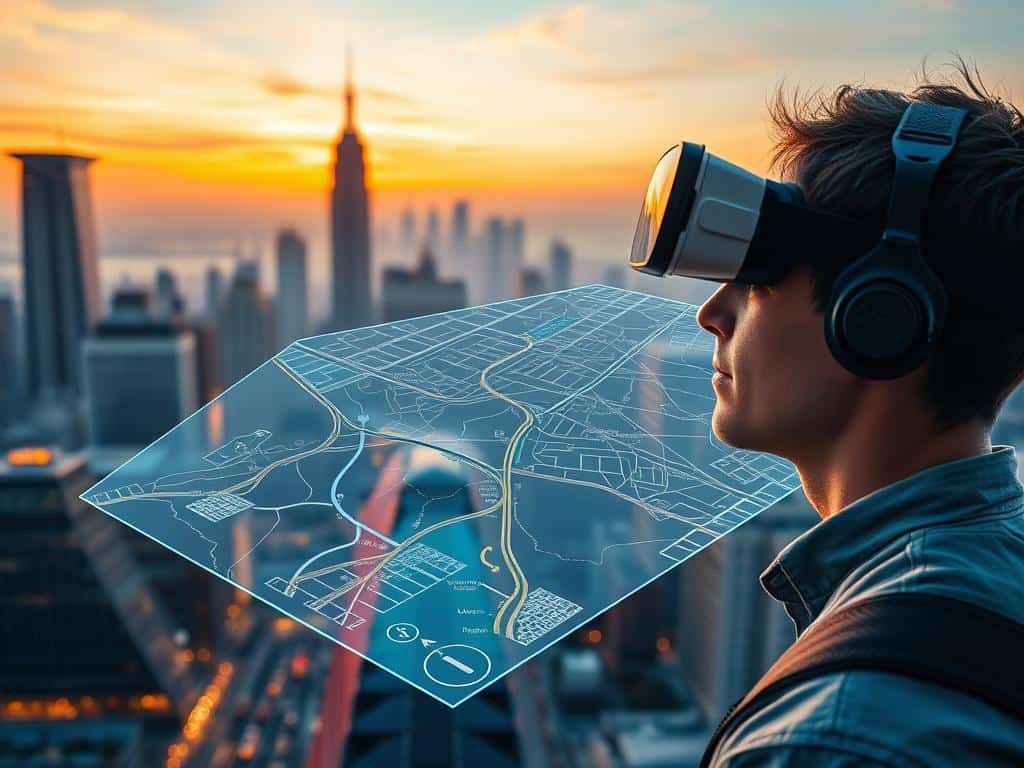
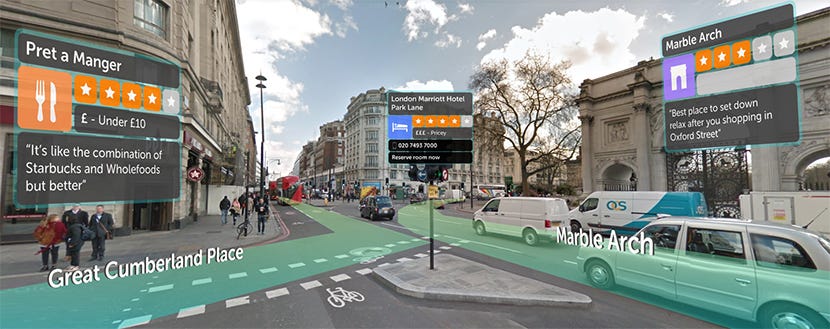
Augmented Reality (AR) travel maps are transforming how we interact with our surroundings. Using your smartphone or a specialized wearable, AR overlays digital information onto the real world. Point your device at a landmark, and instantly see its history, opening hours, or reviews from other travelers. This seamless blend of digital and physical provides a rich, informative, and engaging exploration.
Hands-Free Voice-Activated Maps
Imagine navigating a busy city street without once looking down at your phone. Voice-activated maps, powered by advanced AI, offer a completely hands-free experience. Simply speak your destination or ask for nearby points of interest, and the map responds with clear directions and helpful information. This feature greatly enhances safety and convenience, especially for drivers and pedestrians alike.
When considering the ideal user for these revolutionary AI Travel Maps, one might envision a specific profile. This archetype represents the adventurous spirit ready to embrace smart travel technologies. Picture an individual who stands around 5'10" with an athletic build, brown hair, and sharp hazel eyes. This person typically falls within the 25-40 age range, embodying a diverse ethnicity reflective of the vibrant American population. They are the tech-savvy explorer, always seeking efficiency and personalized experiences on their journeys.
Frequently Asked Questions
How do AI travel maps improve trip planning?
AI travel maps significantly enhance trip planning by offering personalized recommendations for routes, attractions, and dining based on user preferences and real-time data. They adapt to live traffic, weather, and road conditions, providing dynamic, optimized itineraries. This ensures more efficient and enjoyable journeys, making AI Travel Maps indispensable for modern explorers seeking customized experiences and seamless navigation.
What new features will smart navigation apps offer by 2026?
By 2026, smart navigation apps will offer advanced features like hyper-personalized map routes, augmented reality guidance with real-time overlays for landmarks, and predictive routing that anticipates traveler needs. Voice-activated controls will be more intuitive, alongside integrated sustainable travel options. Users can expect seamless offline capabilities and even suggestions for local events, enriching their overall travel experience considerably.
Can augmented reality maps truly enhance my travel?
Yes, augmented reality maps significantly enhance travel by overlaying digital information onto your real-world view, offering an immersive way to explore. You can see historical facts, restaurant ratings, or directions projected onto buildings as you walk, transforming your exploration. This interactive guidance makes navigating unfamiliar places more intuitive and engaging, truly bringing destinations to life for a richer experience.
Are AI trip planners more sustainable?
AI trip planners can promote sustainability by optimizing routes to minimize fuel consumption and suggesting eco-friendly transportation options like public transit, cycling, or walking paths. They can also highlight sustainable accommodations and local businesses committed to environmental practices. This functionality helps travelers make more conscious choices, reducing their carbon footprint and supporting responsible tourism effectively.
Where can I find the best personalized map routes?
The best personalized map routes are typically found in advanced AI-powered travel applications from leading tech companies and specialized travel platforms. These apps leverage machine learning to analyze your past trips, preferences, and real-time data to suggest unique, custom itineraries. Look for highly-rated apps with robust customization features and positive user reviews for optimal personalized navigation.
Final Thoughts on AI Travel Maps
AI Travel Maps are more than just navigation tools; they are intelligent companions transforming how we explore the world. With personalized map routes, real-time insights, and immersive AR features, they promise a future of travel that is both efficient and deeply personal. These innovations simplify complex planning and help discover new wonders with unprecedented ease.
How do you envision AI further transforming your future travels in the coming years? What specific features would you love to see integrated into the next generation of AI travel maps to enhance your adventures?
Personalized map routes for individual travelers, real-time traffic and weather integration for dynamic navigation, augmented reality (AR) overlays for immersive guidance, voice-activated controls for hands-free convenience, predictive routing for optimal travel times, sustainable travel options integrated into planning, smart recommendations for local attractions and dining.




The Augmented Reality Revolution 2026 Beyond The Screen And Into The Augmented Reality Revolution Spatial Computing 2026 . Augmented Reality Navigation The Future Of Maps AR Navigation UX . Augmented Reality Glasses Displaying GPS Navigation Map Overlay In City Augmented Reality Glasses Displaying Gps Navigation Map Overlay City Street First Person View Pov Image Pair 416887043 . Next Generation Map Navigation Is It Based On AR Smart Glasses A Person Wearing Augmented Reality Navigation 1024x585 . The Future Of Augmented Reality Where AR Is Headed In 2026 Image3 2



/3.jpg)

A Futuristic Cityscape Serves As A Backdrop To An Augmented Reality Map Futuristic Cityscape Serves As Backdrop To Augmented Reality Map Displayed O Translucent Screen Held Hand Four Figures 409346462 . New Augmented Reality Experience Visualises A Climate Proof City Earthwatch AR Tablet And Map Marker2 Resize Scaled . A Complete Guide To Developing Augmented Reality Indoor Navigation Developing Augmented Reality 768x340 . What Is Augmented Reality AR Complete Guide 2026 3 . Why 2026 Is The Year Augmented Reality Finally Disappears Into The Real AUgmented Reality 2026 1024x558



Hands On With An Alpha Build Of Google Maps Augmented Reality Mode . Augmented Reality In Maps Augmented Reality In Maps By Kshitizraj . The 2026 Map 6G And AI Integration Across The Da Nang The 2026 Map 6g And Ai Integration Across The Da Nang Landscape In Content Image . 6 Augmented Reality Shifts In 2026 That Could Rewrite How You Compute 33760 6 Augmented Reality Shifts In 2026 That Could Rewrite How You Compute . How To Use Augmented Reality AR Directions In Google Maps T3



Augmented Reality Feactures In Google Maps Paris Augmented Reality AR Feactures In Google Maps Euphoria XR.webp. What Is Augmented Reality Ar Explained Complete 2026 Guide ChatGPT Image Mar 10 2026 10 36 09 AM . Top 10 Industries With Augmented Reality In 2026 ARLOOPA ChatGPT Image 14 2026 . 15 46 44 . 15 Best Augmented Reality Games In 2026 BR Softech Top Augmented Reality Trends For AR Apps In 2026.webp. Silicon Valley Innovation Center Company News Navigate With AR And Geospatial Analysis 1024x576

/5.jpg)



6 Geospatial Trends To Watch In 2026 Insights From Intergeo 2025 Trends 2026 . What Is Augmented Reality AR Complete Guide 2026 5 . 2026 AI Landscape The Four Lane Map By Fumio SAGAWA Feb 2026 Medium 1* 1i7OTcg4 1 JBdJBE9gaQ . 7 Augmented Reality Moves In 2026 That Could Surprise Consumers Here 92441 7 Augmented Reality Moves In 2026 That Could Surprise Consumers Here S Why . Key Updates In VR And AR Technology For 2026 Augmented Reality 768x432


London 3D Augmented Reality Map . Best Augmented Reality In 2026 Uncharted Mind The Ultimate Guide To Augmented Reality In 2026 Scaled . 6 Augmented Reality Moves In 2026 That Could Reshape Phones And Hqdefault . 6 Augmented Reality Moves In 2026 That Could Reshape Phones And 54594 6 Augmented Reality Moves In 2026 That Could Reshape Phones And Workflows . Best Augmented Reality Apps Of 2026


5 Augmented Reality Picks In 2026 That Surprise Fans And Change 16610 5 Augmented Reality Picks In 2026 That Surprise Fans And Change . 7 Augmented Reality Shifts In 2026 That Reshape Headsets Here S Why Hqdefault . How To Use Claude Cowork In 2026 Beginner S Step By Step Guide UUZW1XtA . Top 5 Augmented Reality Shifts In 2026 Revealed What Changes For 40184 Top 5 Augmented Reality Shifts In 2026 Revealed What Changes For Buyers