Gallery
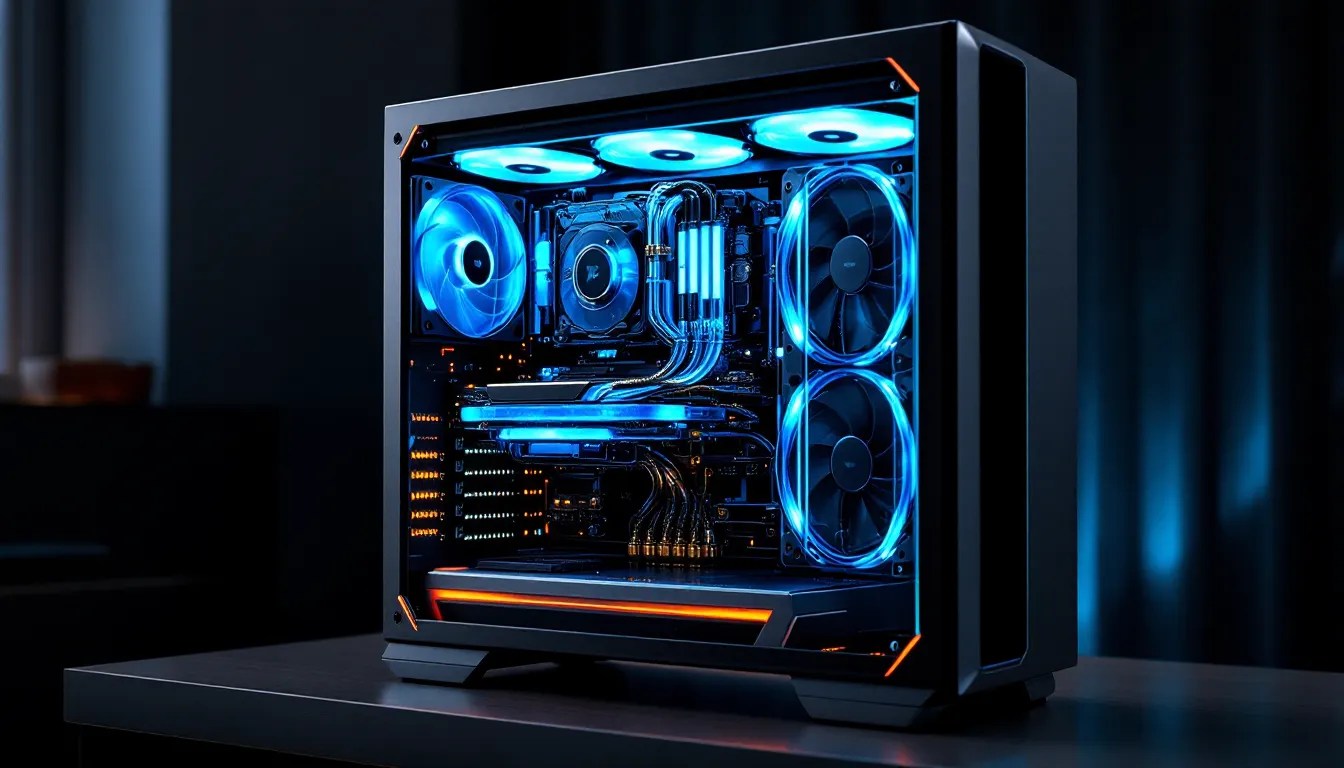


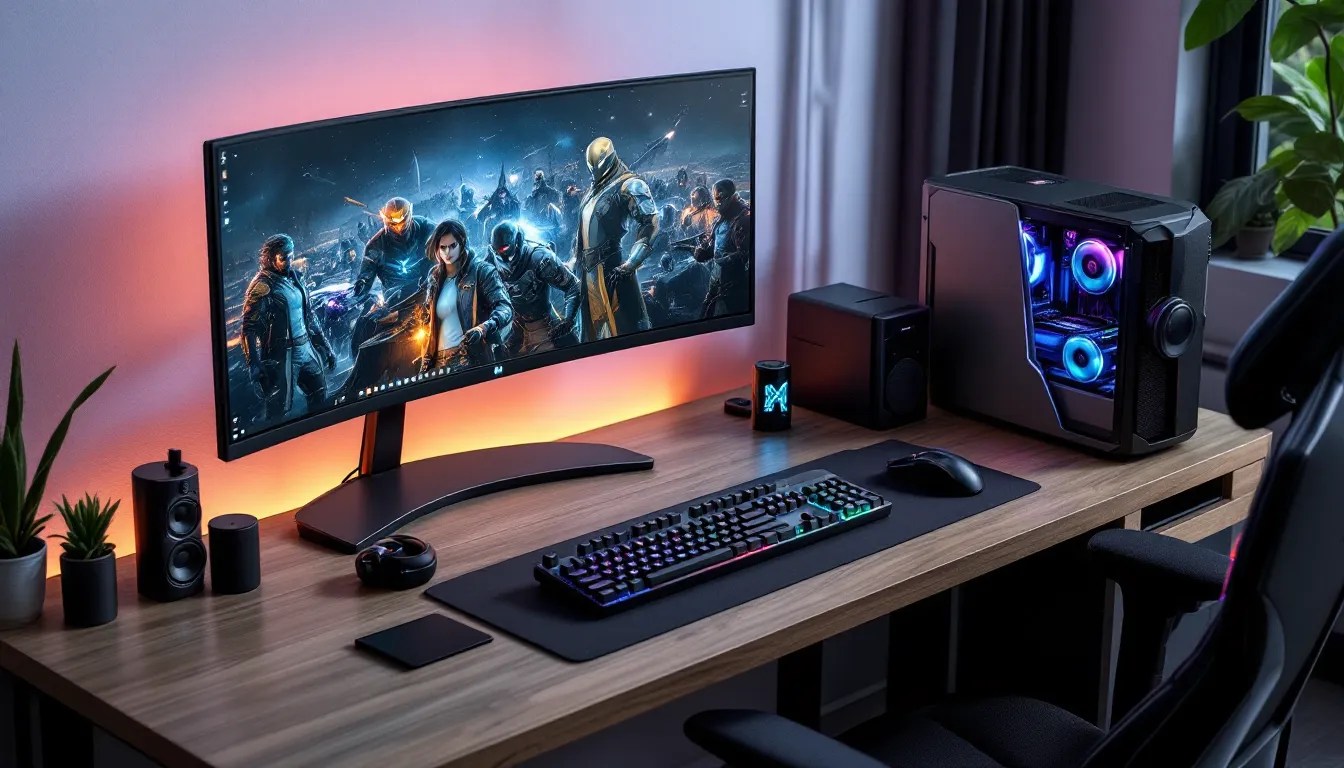


The World S Most Expensive Gaming PC A Deep Dive Into Ultra Luxury Airtable 69C3DD6F8F43A In 2026 Gopcmaster VENGEANCE I8100 I9 13900KS RTX 4090 4TB 2X 2TB M 64GB DDR5 5600 I8100 I9 13900KS 4090 4TB 2X 2TB 64GB DDR5 5600 Pcs 2026 Expert Reviews Comparisons Featured Image Phvnq Fv 69C3DD7994BEB Desktop Buying Guide 2026 Best Value Timing Tips Builds For 2026 2026 514QSB4P7BL Build Powerful 1000 2026 Youtube Maxresdefault Ultimate 500 2026 USD 2026 Top Rigs You Can Buy 2026 Screenshot 2025 At PM 2025 2026 5090 Area Is Beast V0 HOBGVTMG9NRE1 Scaled 5090 V0 HOBGVTMG9NRE1.


Exploring The World S Most Expensive Gaming Pcs Divinecontents PC Top Best Desktop Computers 2026 For Home Office And Work Lenovo Legion Tower 7I 2026 High Performance Computer With RGB Lighting Featured In 7I 2026 Prebuilt 2026 1440P 4K Budget Maxresdefault Too Ordinary People By 2028 Here How To Be March 2026 4CD5B78F D1CE 468A A769 1acf41626002 2026 4CD5B78F D1CE 468A A769 1acf41626002 2000 End Build 2026 4K 1440P Ultra Youtube 2026 Esports AAA Streaming Gamer Org A Sleek Thumbnail Design Bo Z5FSKBADS9 PZY23RQS Zg VWLDFUWAT8EYFN NA9DN G Z5FSKBADS9 PZY23RQS VWLDFUWAT8EYFN NA9DN You Can Buy 2026 Setupgamers Why Are So Affluentialdigital Com 2026 Gopcmaster 1000069523 2026 Screenshot 2025 At PM 2025 Desktops 2026 Technobezz 2026 T142543 296 09ffd22ab9 2026 T142543 296 09ffd22ab9 2026 Guide 800 800.




Most Expensive Gaming PC In 2026 Gopcmaster ASUS ROG G1000 Top Best Desktop 2026 Charmeilpingpong Generated Feat Pcs 2026 Expert Reviews Comparisons B0F3BD5N8Z Customer B0F3BD5N8Z You Can Buy 2026 Copy Of LIF 2025 13t205957 169 2025 13t205957 169 Why Prices Are Rising 2026 And How To Still Get A Good Deal New Year Deals 2026 Main 2026 The Game On Steam Is It Worth 000 2026 2026 Images Edited 2026 One SHOCKINGLY Affordable Youtube Maxresdefault 2026 For Every Gamer 2025 2025 Computers 2026 9METERS Hpaq Kbcyhk We Ve Tested 2026 Pcmag 02Y56J7KZANEHFOB1Y2YDRR Hero Image Gallery Fit Lim Size V1768438085 02Y56J7KZANEHFOB1Y2YDRR V1768438085.
Key highlights
Frequently asked questions
Why are expensive gaming desktops considered a good investment by gamers?
Expensive gaming desktops are seen as a worthwhile investment due to their superior performance, cutting edge components, and durability. They offer future proofing against quickly evolving game requirements, ensuring smooth gameplay and stunning visuals for years. This high level of performance is crucial for competitive play, immersive experiences, and handling demanding tasks beyond gaming.
What specific hardware makes a gaming PC cost a lot of money?
The primary hardware driving the cost of an expensive gaming desktop includes a top tier graphics card (GPU), a high end multi core processor (CPU), abundant and fast DDR5 RAM, and rapid NVMe SSD storage. Additionally, advanced liquid cooling systems, robust power supply units, and premium motherboards contribute to the overall expense, all selected for peak performance.
How long can I expect an expensive gaming desktop to perform optimally?
An expensive gaming desktop, thanks to its high quality components and efficient cooling, typically maintains optimal performance for 4 to 6 years. While technological advancements might prompt a GPU upgrade around the 3-4 year mark for the latest titles, the core system often remains highly capable, providing excellent value and extended relevancy for your gaming needs.
Is building my own expensive gaming desktop more cost effective?
Building your own expensive gaming desktop can often save you 10-20% on the total cost compared to buying a pre-built system, as you avoid labor fees. However, this requires technical knowledge for assembly and troubleshooting. Pre-built options offer convenience, full system warranties, and professional setup, which many users find justifies the slightly higher price for peace of mind.
Beyond gaming, what other benefits do expensive gaming desktops offer?
Expensive gaming desktops are incredibly versatile powerhouses. Their high performance CPUs and GPUs, combined with ample RAM, make them ideal for demanding professional tasks. This includes high resolution video editing, 3D rendering, complex graphic design, advanced software development, and even machine learning applications. They are essentially top tier workstations for any resource intensive task.
What kind of monitor should I buy to go with an expensive gaming desktop?
To fully leverage an expensive gaming desktop, invest in a high quality monitor. Choose a high refresh rate (144Hz or more) for competitive gaming, and a high resolution (1440p or 4K) for visual fidelity in immersive titles. Ensure it supports adaptive sync technologies like G-Sync or FreeSync to eliminate screen tearing and deliver an exceptionally smooth visual experience.
What are the essential maintenance tips for an expensive gaming desktop?
Essential maintenance for an expensive gaming desktop includes regular dusting of fans and filters with compressed air to prevent overheating. Monitor component temperatures using system software. Keep all graphics and chipset drivers updated for peak performance. Also, optimize Windows settings for gaming and periodically clean up unnecessary software. These steps extend hardware life and maintain speed.
The story
Overview: Understanding the Expensive Gaming Desktop
Stepping into the realm of an expensive gaming desktop means preparing for an unparalleled digital experience. These machines are not just about playing games; they are engineered for peak performance, offering stunning visuals, silky smooth frame rates, and the raw power to handle any task you throw at them. Gamers often wonder what sets these high end rigs apart from budget friendly options. The simple answer lies in the components, the meticulous engineering, and the overall premium build quality. We are talking about top tier processors, cutting edge graphics cards, ample memory, and lightning fast storage, all working in harmony to create an immersive world right on your screen.
Many players, from casual adventurers to professional esports enthusiasts, recognize the substantial advantages an expensive gaming desktop provides. It is an investment in future proofing your passion, ensuring you will not fall behind as new titles demand more and more from hardware. This guide will help you understand the core elements that contribute to the higher cost, the undeniable benefits you gain, and how to make an informed decision about your next big gaming purchase. Prepare to explore the pinnacle of gaming technology and discover why these powerful systems are often considered the ultimate choice for serious gamers.
Ultimately, an expensive gaming desktop delivers more than just raw power. It provides a reliable, high performing platform that enhances every aspect of your gaming life, from competitive play to content creation. Understanding its true value means looking beyond the price tag and seeing the long term performance, stability, and sheer enjoyment it brings. We will unpack these layers to give you a complete picture.
Explanation: What Makes a Gaming PC So Costly
Cutting Edge Components Drive the Price
The primary reason an expensive gaming desktop commands a higher price is the inclusion of top tier components. Think about the graphics card, often the single most expensive part of any gaming rig. High end GPUs, like the latest NVIDIA RTX or AMD Radeon series, feature vastly more processing cores, larger memory buffers, and advanced architectures designed for ray tracing and AI acceleration. These components allow for incredibly realistic graphics, higher resolutions, and smoother frame rates, even in the most graphically intensive games. Investing in such a GPU ensures your system can render breathtaking worlds without stuttering, providing a truly immersive experience that lesser cards simply cannot match.
Beyond the GPU, the CPU also plays a critical role. Expensive gaming desktops often house flagship processors from Intel or AMD with numerous cores and threads, higher clock speeds, and advanced instruction sets. These powerful CPUs not only handle game logic and physics efficiently but also excel at multitasking, streaming, and content creation. When you are gaming, streaming on Twitch, and running Discord simultaneously, a robust CPU prevents bottlenecks, keeping your system responsive and fast. This combination of a high performance CPU and GPU forms the bedrock of an expensive gaming desktop's capabilities.
Memory and storage contribute significantly too. High speed DDR5 RAM, often 32GB or more, ensures that games and applications load quickly and run without hitches. Similarly, NVMe SSDs, especially PCIe Gen 4 or Gen 5 drives, offer blazing fast read and write speeds, dramatically reducing game load times and system boot ups. Compared to traditional SATA SSDs or HDDs, these premium storage solutions feel instantaneous, eliminating frustrating waits and keeping you in the action. Every component chosen for an expensive gaming desktop is selected to deliver peak performance and reliability, elevating the entire computing experience.
Premium Cooling and Power Delivery
An expensive gaming desktop is not just about raw component power; it is also about how that power is managed. High performance components generate significant heat, and proper cooling is essential to maintain optimal performance and prolong hardware lifespan. Premium gaming rigs often feature elaborate cooling solutions, including large liquid coolers (AIOs or custom loops) for the CPU and multiple high quality case fans designed for efficient airflow. These advanced cooling systems prevent thermal throttling, ensuring your CPU and GPU can boost to their maximum frequencies for longer periods without overheating, which translates directly to more consistent frame rates and stable gameplay. The quiet operation of these superior cooling setups also enhances the user experience.
The power supply unit (PSU) in an expensive gaming desktop is another area where quality and capacity are paramount. These systems require PSUs with higher wattage ratings to reliably deliver power to multiple demanding components, especially during peak gaming loads. Furthermore, expensive PSUs often boast higher efficiency ratings (like 80 Plus Platinum or Titanium), which means less wasted energy and less heat generated, contributing to a cooler and more stable system. A robust and efficient PSU ensures that your expensive hardware receives clean, stable power, protecting it from potential damage and ensuring reliable operation for years to come. Skimping on the PSU can lead to system instability, making it a critical investment in a high end build.
Even the case itself is often a premium selection in an expensive gaming desktop. These cases are designed with superior airflow pathways, durable materials, and thoughtful cable management features. A well designed case not only looks aesthetically pleasing but also contributes to better cooling and easier maintenance. Many premium cases include features like tempered glass panels, dust filters, and tool less entry, adding to the overall value and user experience. The synergy of these premium cooling, power, and structural elements ensures that all the high end internal components can perform at their best, consistently and reliably.
Build Quality and Future Proofing Considerations
Beyond individual components, the overall build quality of an expensive gaming desktop is significantly higher. Manufacturers or custom builders pay meticulous attention to detail, using higher grade materials, robust motherboards with advanced power phases, and superior craftsmanship. This results in a system that is not only more durable but also more stable, less prone to random crashes, and offers better longevity. The peace of mind that comes with knowing your investment is built to last is a major selling point. Such a desktop is designed to withstand intense gaming sessions for countless hours without compromising performance or reliability.
Another compelling reason to consider an expensive gaming desktop is its capacity for future proofing. While no PC can truly be future proof indefinitely, a high end system starts with a significantly more powerful foundation. This means it can handle new game releases and technology advancements for a much longer period before requiring upgrades. You might not need to replace major components for several years, saving money and hassle in the long run. The higher initial investment translates into a slower depreciation of performance capabilities, keeping you competitive and immersed in the latest titles without immediate worry about hardware limitations. This extended relevancy is a key benefit often overlooked.
Furthermore, an expensive gaming desktop often comes with better software support, longer warranties, and sometimes even dedicated customer service. The overall experience from purchase to ongoing use is enhanced. These systems are typically optimized out of the box, with drivers and software configured for peak gaming performance. For serious gamers, content creators, or anyone who demands the absolute best from their machine, the combination of superior components, robust cooling, and exceptional build quality makes an expensive gaming desktop a worthwhile, long term investment. It is about more than just raw power; it is about a complete, optimized ecosystem.
How it Works: The Synergy of High End Components
Processor and Graphics Card Collaboration
At the core of every expensive gaming desktop's exceptional performance is the powerful collaboration between its processor (CPU) and graphics card (GPU). The CPU acts as the brain, managing game logic, AI, physics calculations, and operating system functions. It sets up the frames that the GPU then renders. High end CPUs with many cores and high clock speeds ensure that this setup process is incredibly fast, preventing what is known as a CPU bottleneck, where the graphics card is left waiting for instructions. This smooth handoff is crucial for maintaining high frame rates, especially in complex open world games or competitive esports titles where every millisecond counts.
The GPU, on the other hand, is the visual powerhouse, responsible for rendering every pixel you see on your screen. In an expensive gaming desktop, the GPU is typically a top tier model, capable of rendering incredibly detailed textures, complex lighting, and advanced visual effects like ray tracing in real time. It takes the instructions from the CPU and processes vast amounts of graphical data at lightning speed. This powerful tandem ensures that games not only run smoothly but also look absolutely stunning, delivering a truly cinematic experience. The higher the resolution or refresh rate of your monitor, the more critical this CPU and GPU synergy becomes, as they must work harder to deliver that crisp, fluid image.
Optimizing this collaboration involves more than just having powerful parts; it also includes driver optimization and game specific enhancements. Manufacturers continuously release updated drivers that improve performance and stability for new game releases. An expensive gaming desktop leverages these optimizations fully, as its robust hardware can truly take advantage of every software tweak. This seamless interaction between cutting edge hardware and optimized software is what allows an expensive gaming desktop to push the boundaries of visual fidelity and gameplay responsiveness, providing an experience that lower tier systems simply cannot replicate.
Memory and Storage Speed Impact
Random Access Memory (RAM) and storage solutions are often underestimated but play a vital role in an expensive gaming desktop's overall speed and responsiveness. High capacity, high speed RAM, typically 32GB or more of DDR5, ensures that the system can quickly access and process temporary game data, textures, and open applications. When playing modern AAA games, which can consume significant amounts of memory, ample RAM prevents the system from having to swap data to slower storage, which causes frustrating stutters and lag. Faster RAM also helps the CPU process data quicker, further enhancing overall system performance and leading to smoother gameplay, especially during intense action sequences or in games with large, detailed environments.
Storage technology has seen massive leaps, and an expensive gaming desktop capitalizes on the fastest available options: NVMe Solid State Drives (SSDs). Unlike older SATA SSDs or traditional Hard Disk Drives (HDDs), NVMe drives connect directly to the motherboard via PCIe lanes, offering dramatically faster read and write speeds. This translates directly to incredibly short game load times, quick system boots, and near instantaneous file transfers. Imagine launching your favorite game in seconds instead of minutes, or transitioning between game zones without noticeable loading screens. This responsiveness significantly enhances the gaming experience, keeping you immersed in the action rather than waiting for it.
Many expensive gaming desktops also feature a combination of storage solutions. A primary, ultra fast NVMe SSD is used for the operating system and frequently played games, while a secondary, larger capacity NVMe SSD or even a high speed SATA SSD might be used for a wider game library or media storage. This tiered approach maximizes both speed and capacity, giving gamers the best of both worlds. The collective speed boost from high speed RAM and NVMe SSDs creates a desktop that feels incredibly snappy and responsive in every interaction, a hallmark of an expensive, top tier machine.
Advanced Cooling and Power Delivery Systems
The intricate dance of high performance components in an expensive gaming desktop would quickly falter without equally advanced cooling and power delivery systems. Top tier CPUs and GPUs generate substantial heat under load, and this heat must be efficiently dissipated to prevent thermal throttling. Thermal throttling occurs when components get too hot and automatically reduce their clock speeds to prevent damage, leading to a noticeable drop in game performance. Expensive rigs often feature custom liquid cooling solutions, large all in one (AIO) liquid coolers, or massive air coolers with multiple fans to keep temperatures in check, allowing the components to operate at their maximum boosted frequencies consistently. These advanced coolers are not only more effective but also often quieter than standard solutions, contributing to a more pleasant gaming environment.
Equally crucial is the power supply unit (PSU). An expensive gaming desktop demands a high quality PSU that can deliver stable and ample power to all its components without faltering. These PSUs typically have a high wattage rating (e.g., 850W or 1000W+) and a high efficiency rating (e.g., 80 Plus Platinum or Titanium). A high efficiency rating means less power is wasted as heat, making the system cooler and more energy efficient. More importantly, a premium PSU provides cleaner, more stable power delivery, which protects sensitive components from voltage fluctuations and contributes to the overall longevity and reliability of the system. A cheap or inadequate PSU can lead to system instability, crashes, and even hardware damage, making a high quality power supply a non negotiable investment in an expensive build.
The physical case itself also plays a role in how effectively these systems work. Expensive gaming desktop cases are often designed with optimal airflow in mind, featuring mesh front panels, multiple fan mounts, and spacious interiors for better cable management. Good cable management improves airflow by reducing obstructions, further aiding in cooling. These cases also use high quality materials and often include features like dust filters and vibration damping, enhancing both the system's performance and its longevity. The combined effect of these advanced cooling and power delivery mechanisms ensures that every high end component performs exactly as intended, consistently and reliably, session after session.
Tips and Recommendations: Making the Most of Your Expensive Gaming Desktop
Optimize Settings for Peak Performance
Once you have invested in an expensive gaming desktop, the next step is to ensure you are maximizing its potential. Start by optimizing your in game settings. While your high end rig can likely handle ultra settings at high resolutions, some games benefit from fine tuning. Experiment with settings like anti aliasing, shadow quality, and ambient occlusion. Sometimes, slightly reducing one graphically intensive setting can yield a significant boost in frame rate without a noticeable drop in visual fidelity, giving you that competitive edge, especially in fast paced games. Always aim for a balance that delivers both stunning visuals and consistently high frame rates, matching your monitor's refresh rate.
Keep your drivers up to date. Both your graphics card (NVIDIA GeForce Experience or AMD Radeon Software) and chipset drivers should be regularly checked and updated. Driver updates often include performance optimizations for new game releases and bug fixes, ensuring your hardware is running at its best. Also, enable game mode in Windows settings to prioritize system resources for gaming. Close unnecessary background applications and browser tabs before starting a gaming session to free up RAM and CPU cycles. These small optimizations can collectively lead to a smoother, more responsive gaming experience.
Consider overclocking if you are comfortable with it, but approach it with caution. Many expensive gaming desktops come with robust cooling, making them suitable for slight CPU or GPU overclocks. Tools provided by your motherboard manufacturer or graphics card utility software can help you safely push your hardware a little further. However, always research and understand the risks involved, and monitor temperatures closely. For most users, simply ensuring your components are running at their factory boost clocks effectively is enough. The goal is to squeeze every bit of performance out of your investment, translating to superior gameplay.
Maintain Your System for Longevity
An expensive gaming desktop is a significant investment, and proper maintenance is key to ensuring its longevity and consistent performance. Regularly clean out dust from your PC. Dust can accumulate on fans, heatsinks, and vents, impeding airflow and causing components to run hotter. Use compressed air to carefully blow out dust from CPU coolers, GPU fans, and case filters every few months. This simple act can prevent thermal throttling and extend the life of your hardware. Pay particular attention to intake filters, as they often collect the most dust. A clean system runs cooler and performs better, period.
Monitor your component temperatures. Software like HWMonitor or MSI Afterburner can display real time temperatures for your CPU and GPU. While modern components are designed to throttle themselves to prevent damage, consistently high temperatures can indicate an issue with cooling or dust buildup. Understanding your normal operating temperatures allows you to quickly identify potential problems. If you notice unusually high temps, it might be time for a thorough cleaning or to check if your cooling solutions are functioning correctly. Keeping an eye on these metrics is a proactive approach to maintaining your system's health.
Beyond physical cleaning, keep your software environment tidy. Regularly uninstall programs you no longer use, run disk cleanup, and defragment traditional hard drives (though not necessary for SSDs). Keep your operating system up to date with the latest security patches and performance improvements. Consider investing in a good quality antivirus program to protect your system from malware, which can degrade performance. Periodically backing up important game saves and personal files is also a smart practice. By diligently performing these maintenance tasks, your expensive gaming desktop will continue to deliver top tier performance for many years, justifying every penny of your initial investment.
Upgrade Smartly When the Time Comes
Even the most expensive gaming desktop will eventually face the need for an upgrade as technology advances. When that time arrives, it is crucial to upgrade smartly to get the most value. Thanks to its robust foundation, an expensive rig often only needs incremental upgrades rather than a complete overhaul. The most common first upgrade is the graphics card. As new GPU generations emerge, replacing an older, even high end, GPU with a newer one can provide a substantial performance boost, especially for new demanding titles. Research benchmarks for the latest cards and consider if the performance gain justifies the cost relative to your existing setup. Remember to check for CPU bottlenecks if upgrading only the GPU.
Another common upgrade path involves increasing RAM or upgrading to faster storage. While an expensive gaming desktop usually starts with ample RAM, future games or professional applications might demand more. Upgrading from 16GB to 32GB (or 32GB to 64GB) can improve multitasking and performance in memory hungry titles. Similarly, if you started with a slower NVMe drive, upgrading to a PCIe Gen 4 or Gen 5 SSD can further reduce loading times. These are typically simpler upgrades to perform than replacing a CPU or motherboard and can significantly enhance system responsiveness. Always ensure compatibility with your motherboard and existing components before purchasing.
For more significant upgrades like a new CPU or motherboard, consider the broader platform. If your current motherboard supports a newer generation of processors with a BIOS update, that can be a cost effective path. However, sometimes a new CPU necessitates a new motherboard and potentially new RAM, turning it into a more substantial investment. Assess your current system's bottlenecks and your gaming needs. Is your CPU holding back your GPU? Are you running out of cores for streaming and gaming simultaneously? By strategically identifying the weakest link and targeting your upgrades there, you can extend the life and competitive edge of your expensive gaming desktop without unnecessary expenditure. A well maintained and strategically upgraded expensive desktop truly delivers long term value.
Common Mistakes: Avoiding Pitfalls with Expensive Gaming Desktops
Overlooking Monitor Capabilities
One of the most frequent mistakes gamers make after investing in an expensive gaming desktop is pairing it with an inadequate monitor. Having a top tier GPU capable of pushing hundreds of frames per second at high resolutions is meaningless if your monitor cannot display them. If you buy a powerful machine for 4K gaming, but connect it to a 1080p 60Hz monitor, you are severely limiting your system's potential. Your expensive gaming desktop will render frames far beyond what the screen can show, essentially wasting processing power. This bottleneck prevents you from experiencing the smooth, high fidelity visuals your hardware is designed to deliver. Always match your monitor's resolution and refresh rate to your PC's capabilities.
Investing in a high refresh rate monitor (144Hz, 165Hz, 240Hz, or higher) is crucial for competitive gaming, as it provides a significantly smoother and more responsive visual experience. For immersive single player titles, a high resolution (1440p or 4K) monitor can bring out incredible detail, especially when combined with a large screen size or ultrawide aspect ratio. Features like G-Sync or FreeSync are also essential, as they synchronize the monitor's refresh rate with the GPU's frame rate, eliminating screen tearing and stuttering for an incredibly fluid image. Don't let a cheap monitor undermine the incredible visual performance your expensive gaming desktop offers.
Researching and selecting the right monitor is just as important as choosing your PC components. Consider the type of games you play most, your budget for peripherals, and the visual experience you prioritize. A 4K monitor might be overkill if you primarily play esports titles where high frame rates are king. Conversely, a 1080p 240Hz monitor might not fully showcase the graphical prowess of your GPU in story driven, visually stunning games. The synergy between your expensive gaming desktop and a well matched monitor is paramount for achieving the ultimate gaming experience, making it a critical consideration for any serious gamer.
Neglecting Proper System Setup and Drivers
Another common oversight for new owners of an expensive gaming desktop is neglecting proper system setup and driver installation. Simply plugging in your new powerful machine and booting into Windows is only the first step. To unlock its full potential, you must ensure all drivers are correctly installed and up to date. This includes the latest graphics drivers from NVIDIA or AMD, chipset drivers from Intel or AMD, and any other peripheral drivers specific to your motherboard or components. Outdated or generic drivers can lead to performance issues, system instability, and even prevent certain features from working correctly. Taking the time to install these properly ensures your hardware communicates efficiently with your operating system.
Beyond drivers, proper system configuration within Windows can significantly impact performance. This includes enabling Windows Game Mode, adjusting power options to 'High Performance,' and ensuring that background applications are minimized or closed during gaming sessions. Many expensive gaming desktops come with preinstalled utility software from the manufacturer (e.g., for RGB control, fan speed management, or system monitoring). While some of these can be useful, others might consume resources unnecessarily. Take the time to understand what each utility does and disable or uninstall those you do not need, aiming for a lean and efficient operating system environment.
Furthermore, neglecting BIOS/UEFI settings can also hinder performance. For instance, ensuring XMP (Extreme Memory Profile) or DOCP (Direct Overclock Profile) is enabled for your RAM allows it to run at its advertised speeds, which is crucial for modern processors. Out of the box, RAM often defaults to lower speeds. Similarly, enabling Resizable BAR or Smart Access Memory (SAM) can provide performance boosts with compatible hardware. A quick check of your motherboard manual or online guides can walk you through these settings. A powerful machine needs a powerful foundation, and proper setup, driver management, and BIOS configuration are essential to realizing the full potential of your expensive gaming desktop.
Ignoring Adequate Peripherals
Many gamers focus intensely on the core expensive gaming desktop itself but then skimp on crucial peripherals, which is a significant mistake. A powerful PC deserves equally capable input devices and audio gear to complete the high end experience. Using a cheap, laggy mouse or a keyboard with poor response times can severely hinder your performance, especially in competitive games, making your expensive rig feel less responsive than it actually is. Invest in a high quality gaming mouse with a precise sensor, comfortable ergonomics, and customizable buttons. Pair it with a mechanical keyboard that offers tactile feedback and quick actuation, enhancing both speed and accuracy. These devices are your direct interface with the game, and their quality directly impacts your skill and enjoyment.
Audio is another area often overlooked. While integrated motherboard audio has improved, a dedicated gaming headset or quality external speakers with a proper sound card or DAC (Digital to Analog Converter) can dramatically enhance immersion and provide a competitive advantage. Hearing subtle footsteps, distant gunshots, or crucial environmental cues with clarity can mean the difference between victory and defeat. A good headset also ensures clear communication with teammates, which is vital for multiplayer games. Don't let subpar audio quality detract from the rich soundscapes your expensive gaming desktop is capable of producing.
Even smaller peripherals like a quality gaming mouse pad, a comfortable gaming chair, or proper lighting can contribute to an overall better setup. These items might seem minor, but they create a cohesive and ergonomic environment that allows you to game comfortably for extended periods without fatigue. An expensive gaming desktop is a performance machine, and surrounding it with equally capable and comfortable peripherals ensures that you are getting the absolute best experience possible. Think of your peripherals as extensions of your expensive rig, completing the ecosystem that delivers peak gaming performance and immersion.
Frequently Searched Questions: Expensive Gaming Desktops
Is an Expensive Gaming Desktop Really Worth the Cost?
For serious gamers, content creators, and enthusiasts, an expensive gaming desktop often provides significant value that justifies its cost. These machines offer unparalleled performance, allowing you to play the latest AAA titles at maximum settings with high frame rates, experience VR flawlessly, and handle demanding multitasking like streaming or video editing without compromise. The advanced components, superior cooling, and premium build quality ensure longevity and stability, meaning less frequent upgrades and a more reliable system over time. While the initial outlay is higher, the extended lifespan and enhanced experience often make it a worthwhile long term investment.
What Components Make a Gaming PC Expensive?
Several key components contribute to the high cost of an expensive gaming desktop. The graphics card (GPU) is typically the most expensive part, especially flagship models with large VRAM and advanced processing power. High end CPUs with multiple cores and high clock speeds also add significantly to the price. Fast NVMe SSDs, particularly PCIe Gen 4 or Gen 5, along with high capacity and high speed DDR5 RAM, are also costly. Additionally, robust liquid cooling solutions, powerful and efficient power supply units, and premium motherboards with advanced features further increase the overall price. Each of these components is chosen for peak performance and reliability.
How Long Will an Expensive Gaming Desktop Last?
An expensive gaming desktop, with its high quality components and superior cooling, is built for longevity. While technology evolves, a top tier system can typically handle new games and applications at respectable settings for 4 to 6 years, often longer with strategic upgrades. The durable build and efficient thermal management help prevent premature component failure. You might find yourself upgrading the GPU in 3-4 years to keep up with the absolute latest titles, but the core CPU, motherboard, and RAM often remain highly capable for longer, making it a sustainable investment over time.
Can I Build an Expensive Gaming Desktop Cheaper Myself?
Yes, generally building an expensive gaming desktop yourself can be slightly cheaper than buying a pre-built one, potentially saving you 10-20% on component costs. When you build it yourself, you avoid labor costs and often have more flexibility in choosing specific parts from various brands, sometimes finding better deals. However, it requires technical knowledge, time for research and assembly, and troubleshooting skills. Pre-built systems offer convenience, warranty coverage for the entire system, and professional assembly, which can be valuable for those who prefer a ready to use solution. For many, the time and effort saved with a pre-built expensive gaming desktop justify the small premium.
Is an Expensive Gaming Desktop Good for More Than Just Gaming?
Absolutely. An expensive gaming desktop is a powerhouse that excels far beyond gaming. Its high core count CPU, powerful GPU, and ample fast RAM make it ideal for demanding professional tasks such as video editing, 3D rendering, graphic design, animation, and software development. It provides the processing muscle needed for complex scientific simulations, machine learning projects, and data analysis. Content creators benefit immensely from the speed and efficiency for streaming, recording, and producing high quality media. Essentially, an expensive gaming desktop is a high performance workstation disguised as a gaming rig, making it incredibly versatile for any resource intensive application.